PLANT CARE
Philodendron Micans Care
Light watering soil and humidity
In this guide
Give philodendron micans bright, indirect light and a pot that drains freely. Let the upper potting mix dry before watering again, then water thoroughly and empty the saucer. These basics give its roots moisture without leaving them in saturated soil.
The right routine depends on your window, pot, and mix. Use the checks below to decide what your plant needs instead of watering automatically on the same day each week.
Micans care at a glance
| Care need | Starting point | What to check |
|---|---|---|
| Light | Bright, indirect light | Watch for strong sun falling directly on leaves. |
| Water | Let the upper mix dry | Check moisture and pot weight before adding water. |
| Soil and pot | A loose mix and drainage holes | Excess water should leave the pot freely. |
| Temperature | About 65 to 80 F | Keep away from cold drafts and heating vents. |
| Humidity | Typical indoor air is often workable | Assess growth before adding a humidifier. |
| Fertilizer | Feed during active growth | Follow the product label and check for fertilizer already in the mix. |
| Growth | Trailing or climbing vines | Choose a hanging position or a support. |
| Safety | Keep away from children and pets | Philodendrons are harmful if eaten. |
What plant is philodendron micans
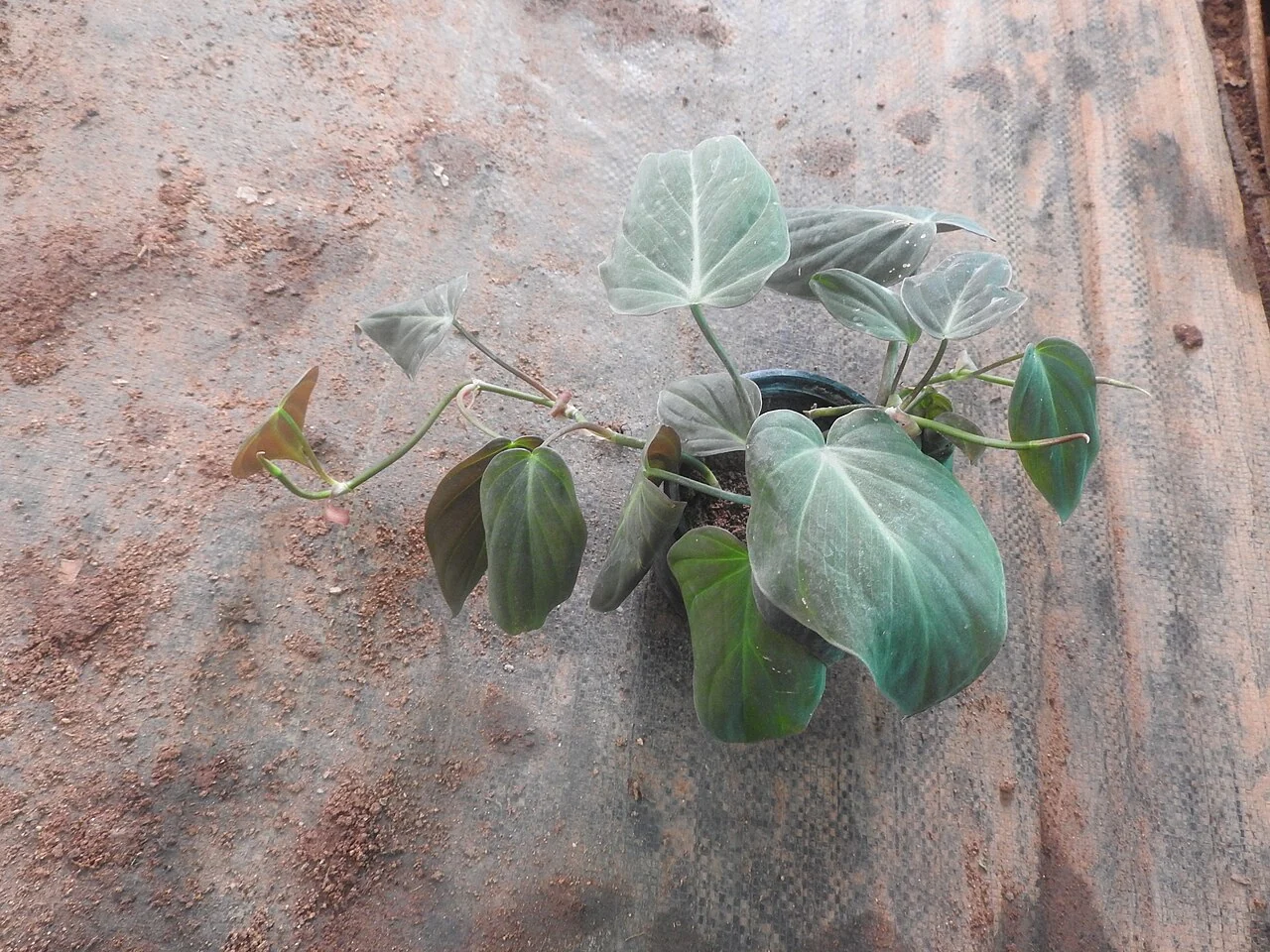
Micans is the velvet leaf philodendron, with heart-shaped leaves and a bronze to deep green appearance. Young foliage can look coppery before it darkens. Its soft-looking surface distinguishes the familiar houseplant from the glossy green heartleaf philodendron.
Plant labels may also use the name Philodendron hederaceum var. hederaceum. Micans is the familiar name used for the velvety houseplant covered in this guide.
Choose bright indirect light
Put Micans in a bright position with filtered or indirect light. A window with harsh sun shining straight onto the leaves needs some protection, such as a sheer curtain. Avoid leaving the plant in intense direct sun.
Check the position at different times of day. Window direction alone cannot tell you how much light reaches the plant because nearby buildings, trees, and overhangs also matter. If the room has little natural light, supplemental plant lighting can help.
Watch the newest growth. Increasingly long gaps between leaves can suggest insufficient light. Scorched or bleached areas can suggest excessive light. Check the room conditions alongside these signs, and judge any adjustment by the growth that follows.
Decide when to water
Use the upper 1 to 2 inches of mix as a starting check. If it still feels moist, wait. If that layer is dry, check the rest of the pot before watering. Pot size, light, temperature, humidity, and the type of mix all affect how quickly it dries.
Lift the pot when you can do so safely. A recently watered pot feels heavier than the same pot as its mix dries. Learning that difference gives you another useful check. In a deep pot, a wooden stick inserted carefully into the mix can help reveal moisture below the surface.
Water when the upper layer has dried and the pot has become lighter, without waiting for the whole root ball to become bone dry. Heartleaf philodendrons prefer moisture without soggy conditions. A dry surface over a still-saturated lower pot is a reason to check drainage before adding more water.
When watering is due, pour slowly over the mix until water flows from the drainage holes. Let it drain, then empty the saucer or decorative outer pot. Wilting alone does not tell you to water; it can occur with either too little or too much water.
Keep a short note of the date and what the mix felt like before watering. After a move, a change in heating, or a repot, start checking again rather than carrying over the old interval.
Choose a suitable potting mix and pot
A Micans soil mix should hold some moisture while allowing excess water to drain. Commercial container mixes often combine ingredients such as coir or peat, perlite, and composted bark. Roots need air as well as water, so avoid a mix that stays dense and saturated.
Start with a quality houseplant potting mix that drains well. Plain garden soil is a poor choice for an indoor pot because it can compact and drain badly. Use a container with drainage holes; a decorative pot works as a cover for an inner nursery pot.
A special recipe is optional. Check how your chosen mix behaves in your home before changing its ingredients. Notice whether water soaks into it, drains out, and leaves a workable balance of moisture between waterings. That observation is more useful than copying a ratio from a plant grown in different conditions.
For ingredient choices, see our guide to philodendron potting soil.
Keep the plant warm and assess humidity
Normal indoor temperatures around 65 to 80 F, or 18 to 27 C, suit philodendrons. Micans should be protected from cold; the RHS recommends at least 59 F, or 15 C, in winter. Keep the leaves away from cold glass and direct blasts from heating or cooling vents.
Philodendrons can tolerate ordinary household humidity, although they grow best with more moisture in the air. If your Micans is producing healthy leaves, keep the conditions consistent rather than chasing an exact percentage.
In a dry room, a humidifier can raise humidity. Misting gives only a brief change and may increase disease problems when overdone. Check moisture in the pot as well as the room conditions before assuming dry-looking leaf edges mean a humidity problem.
Feed while the plant is growing
Use a fertilizer labeled for houseplants and follow its directions for strength and frequency. Feed during active growth. When growth slows in dim winter conditions, reduce or pause feeding. Check whether fresh potting mix already contains fertilizer before adding more. Excess fertilizer can damage roots.
If the plant is declining, check its light, watering, and roots before reaching for fertilizer. A care note should record each application so you can trace what changed.
Let Micans trail or give it support
Micans is a climbing plant that can also trail from a shelf or hanging pot. A trellis or suitable pole gives the stems something to climb. Choose a display that lets you reach the pot and inspect the leaves easily.
If vines become too long for the space, trim them with clean, sharp pruners just above a node on the remaining stem. A node is the point where a leaf joins the stem. Pruning can encourage fresh growth. Wear gloves because philodendron sap can irritate skin.
There is no useful fixed number of inches Micans should grow each month. Compare new leaves and stem spacing with its own recent growth, while keeping notes about changes in light and care.
Repot when roots need more room
Look for a root ball filled with tightly packed roots, especially if the pot dries so quickly that watering becomes difficult to manage. Roots appearing at drainage holes are a prompt to inspect, rather than an automatic deadline. Routine repotting is best done during active growth, often in spring or early summer.
Move up about one pot size, usually 1 to 2 inches in diameter. A much larger pot holds extra wet mix around the roots. Use fresh mix and keep the plant at the same planting depth. Afterward, reassess watering because the new container may dry at a different rate.
Our guide to how to repot a philodendron covers the practical steps and aftercare.
Start propagation with a stem cutting
To propagate Micans, take a healthy piece of stem with leaves and nodes. Cut just below a node at the bottom of the cutting. A detached leaf without a usable stem node is not the cutting described here.
For a simple water method, choose a stem section about 3 to 6 inches long. Remove lower leaves that would sit in water, then place the lower stem and a node in clean water while keeping the remaining leaves above it. Refresh the water frequently. Once roots are several inches long, pot the cutting in a draining mix.
Keep the cutting warm and in indirect light. You can also root trailing philodendron cuttings in a suitable rooting medium. Rooting time varies, so look for root development rather than expecting success by a particular date.
Check common problems before changing care
Yellowing, curling, or spots can have more than one cause. Describe the pattern, check the pot, and look at recent changes before deciding what to do. These checks narrow the possibilities; they do not diagnose a plant from leaf color alone.
| What you see | What to check | A useful first response |
|---|---|---|
| Yellow or limp leaves | Is the mix persistently wet or unusually dry? Look beneath leaves for pests. | Check moisture before watering or fertilizing. |
| Drooping with dry mix | Compare pot weight and check whether water is reaching the mix. | Water thoroughly when dryness is confirmed. |
| Wilt with wet mix | Check drainage and, if decline continues, the condition of the roots. | Avoid adding water to an already wet pot. |
| Brown spots or patches | Record the location, texture, and whether new damage is appearing. | Check sun exposure and pests before choosing a treatment. |
A root inspection is useful when persistent wetness accompanies decline. Assess texture as well as color: dark, soft roots can indicate rot, while firm roots are a healthier sign. For widespread damage or unclear symptoms, ask a local Extension service for help with photographs and your care history.
If you find mealybugs, separate the affected plant from others. Choose a treatment labeled for indoor plants and the identified pest, and follow its directions. Check the plant again after treatment because repeat applications may be needed.
Photograph the whole plant and the same affected leaves when you check again. Record any new damage and how the newest growth looks. This gives you more to work with than changing several care habits at once.
For a closer check, follow the guides to Micans yellow leaves or Micans brown spots.
Keep Micans away from pets and children
Philodendrons are harmful if eaten, and their sap can irritate skin. Keep plants and cuttings out of reach of children and pets, and wear gloves when pruning.
The ASPCA lists heartleaf philodendron under the older name Philodendron oxycardium as toxic to cats and dogs because of insoluble calcium oxalates. Chewing can cause mouth irritation, drooling, and trouble swallowing. If a pet may have eaten it, contact a veterinarian or ASPCA Poison Control promptly.
These guides help you assess care conditions. If a problem keeps spreading, share your observations and photographs with a local Extension service. Read our editorial approach.
Spotted something we should check?
Suggest a correctionA USEFUL NEXT READ
Keep following the clues.
Plant problems8 min read
Philodendron Micans Yellow Leaves
Follow the moisture and leaf-pattern checks before changing care.
Read the guide Image credits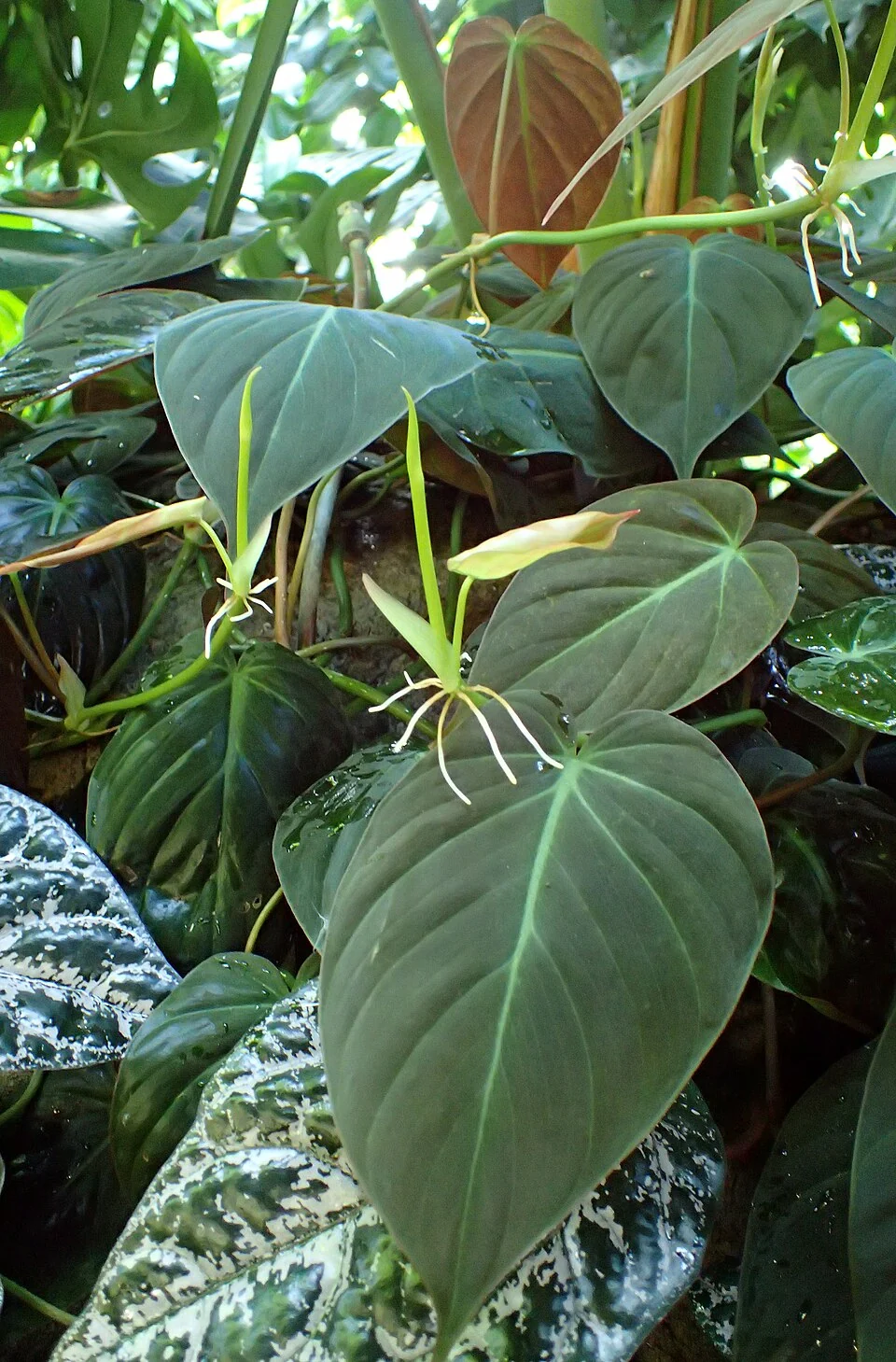
Plant problems8 min read
Philodendron Micans Brown Spots
Use the texture and pattern of a mark to decide what to check.
Read the guide Image credits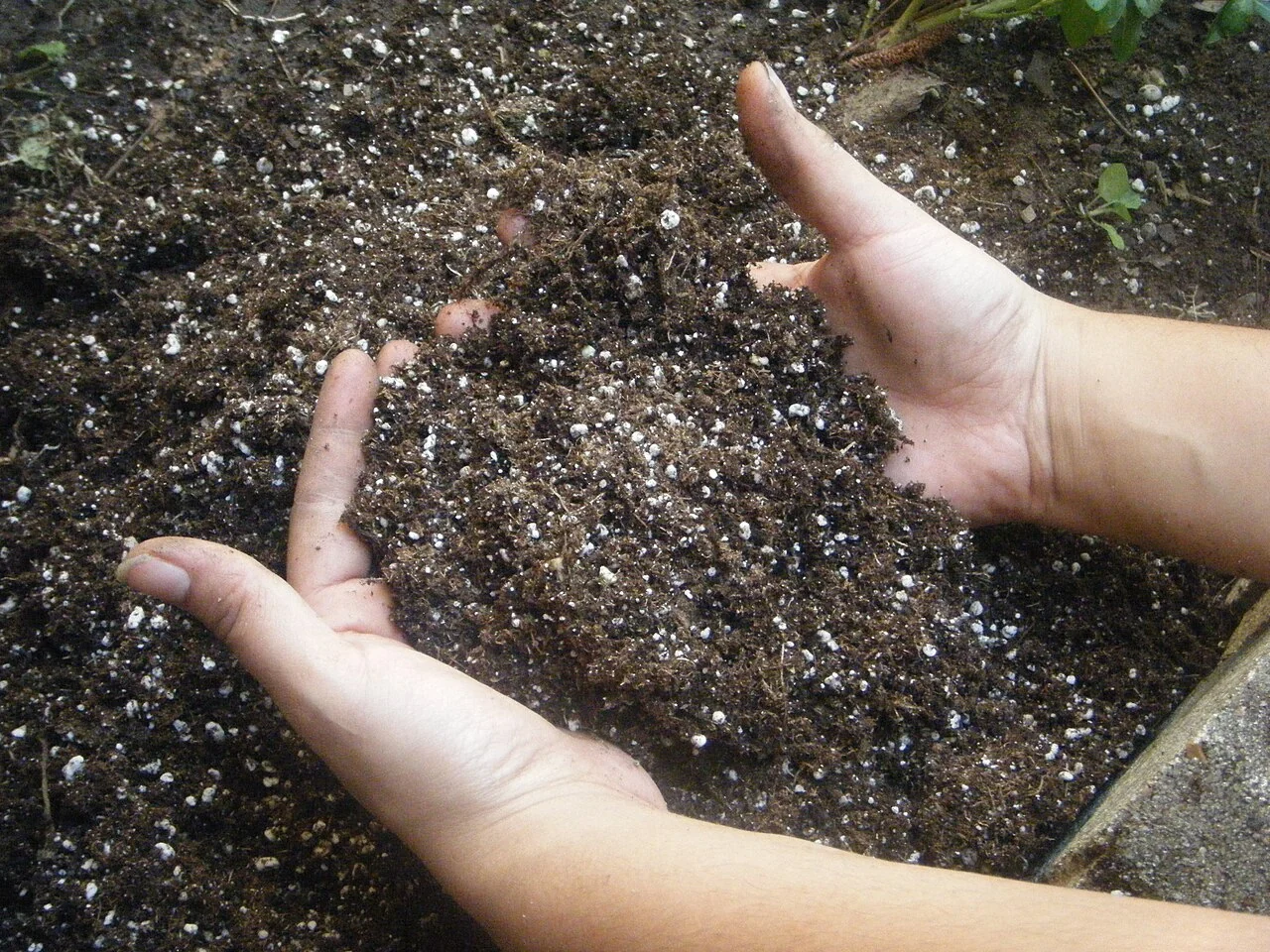
Soil & repotting7 min read
Philodendron Potting Soil
Choose a mix that balances moisture, air, and your growing conditions.
Read the guide