PLANT PROBLEMS
Philodendron Micans Brown Spots
Causes and what to check
In this guide
Brown spots on philodendron micans can come from sun scorch, physical injury, watering problems, pests, or leaf disease. Start by checking the mark’s texture and whether it is changing. A dry scar after a move needs a different response from soft spots that keep appearing on several leaves.
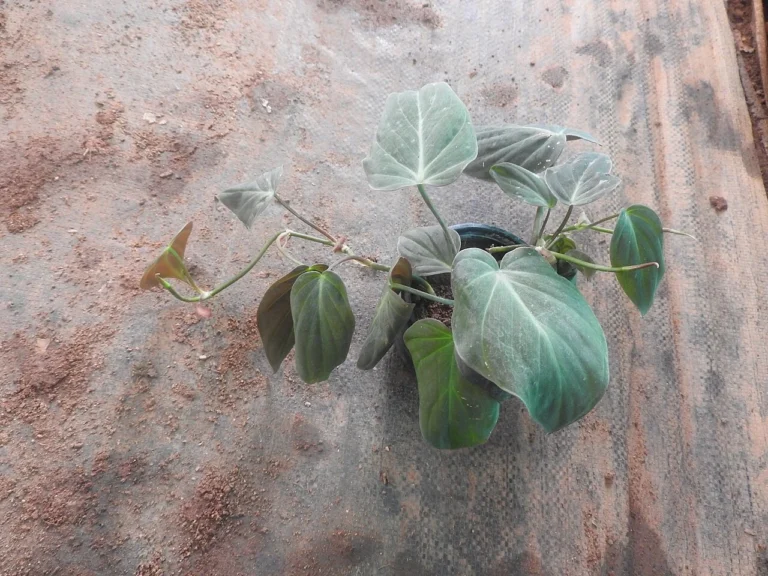
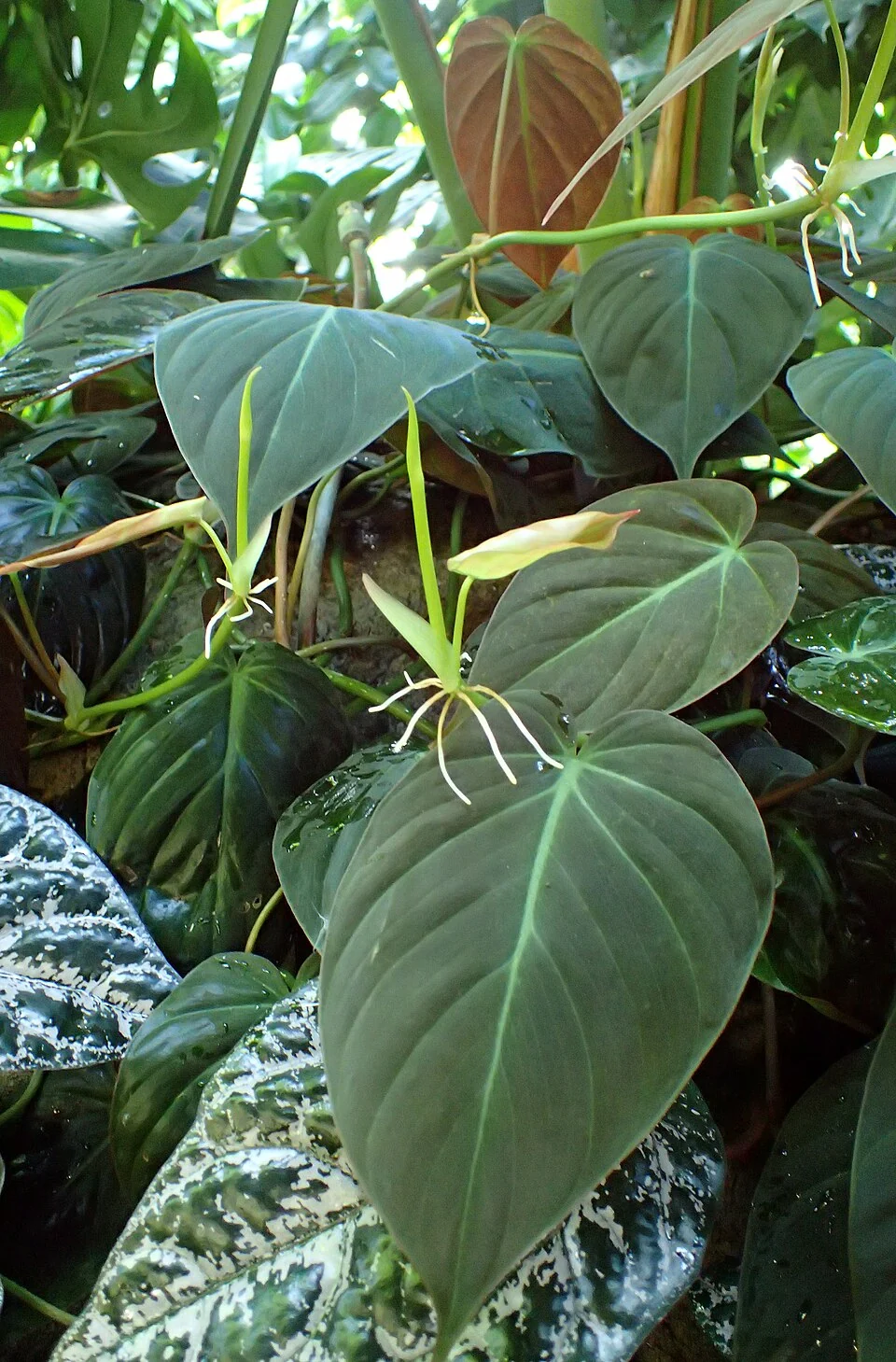
Micans naturally has bronze-green foliage with reddish undersides. That color is different from a localized area that has become brittle, collapsed, or unusually raised. Compare the marked leaf with healthy leaves on the same plant before deciding something is wrong.
Describe the spots before treating the plant
Take a clear photograph of the whole leaf and a close-up of the mark. Include the underside, and note when you first noticed it. Check these details before spraying or cutting:
- Texture: Is the mark dry and papery, wet-looking and soft, corky, or a sticky deposit on the surface?
- Location: Is it on sun-facing foliage, along an edge, underneath the leaf, or at a place that was bent or rubbed?
- Pattern: Is there one old mark, several similar marks, or new damage on previously healthy leaves?
- Recent changes: Was the plant moved, left dry, exposed to cold, fertilized, or sprayed?
Use the same lighting when comparing photographs. Record what you can see rather than naming a disease from color alone.
Match the appearance with the next check
These combinations help narrow the possibilities. A row is a starting point for inspection, not a confirmed diagnosis.
| What you notice | Possible cause to assess | What to check next |
|---|---|---|
| Dry or bleached patches on exposed leaves after brighter light | Sun scorch | Review the new light exposure and compare shaded leaves. |
| Crispy tips or edges with a very dry, light pot | Drought stress | Check moisture below the surface and whether water reaches the root ball. |
| Raised corky patches, especially underneath leaves | Edema or another cause of bumps | Review moisture and airflow; inspect for scale insects too. |
| Fine pale speckling, bronzing, or delicate webbing | Mite feeding | Inspect leaf undersides with magnification. |
| Sticky foliage with brown bumps on leaves or stems | Soft scale or another sap-feeding pest | Look along veins, petioles, and stem joints for insects. |
| Wet-looking or enlarging spots, sometimes with yellow borders | Leaf disease or other tissue damage | Check progression, nearby leaves, stems, and recent conditions. |
| A single mark where a leaf was folded or rubbed | Physical injury | Compare it over time and prevent further contact. |
Review light and recent damage
Strong light can scorch or bleach foliage. If damage appeared after moving your Micans to a sunnier window or changing a grow light, review the exposure first. Damage concentrated on the exposed side supports that possibility, but it does not prove it.
Choose bright, filtered or indirect light for Micans. If changing its position, introduce stronger exposure gradually rather than moving a shaded plant straight into intense sun.
Also consider a cold trip home, contact with cold glass, a spray application, or a leaf caught against furniture. Bruising and chemical injury can leave marks. Prevent the suspected exposure and watch for additional damage; a recent incident should not distract you from spots that continue to worsen.
For the everyday light and watering checks, see Philodendron Micans care.
Check the pot before changing watering
If the mix is very dry
Prolonged dryness can cause scorch, browning, curling, and leaf loss. Check below the surface and compare the pot’s weight with how it feels after watering. If it is dry, water slowly and thoroughly, then let excess drain away. If water runs through a gap beside a shrunken root ball, check that the mix actually becomes wet; it may take more than one application.
If the mix stays wet
Excess moisture reduces the oxygen available to roots. Damaged roots can leave a plant wilting or developing scorched foliage even while its pot is wet. Adding more water because the leaves look dry can worsen that situation.
Empty standing water from the saucer or outer pot. Check drainage holes, compacted mix, and a container much larger than the root ball. Base the next watering on moisture checks rather than a fixed schedule.
Inspect roots if wet conditions come with ongoing wilt, spreading yellowing, or soft stems. Gently ease out the root ball and look for roots that are soft, mushy, or losing their outer layer. A brown spot alone is not a reason to cut roots or repot the plant.
For drainage and justified pot changes, read about philodendron potting soil and how to repot a philodendron.
Consider dry air and feeding history
Brown tips and edges can also accompany dry air. Check whether the plant sits beside a heater or in a room where humidity has dropped. Look at the watering evidence too, because a crisp edge does not distinguish dry air from a dry root ball.
Excess fertilizer salts can damage roots and cause browning. A recent heavy feeding or crust on the mix or pot makes this worth investigating. Pause unnecessary feeding and review the product directions. Flushing excess salts requires a pot that drains freely; do not keep pouring water into a container that cannot drain.
Raised corky patches may be edema
Edema, also spelled oedema, is a water-balance disorder. It can occur when roots take up water faster than leaves release it. Damaged cells may form blisters that later become corky, often on the underside. Raised spots also need checking for pests, so texture alone is not enough.
If edema is the likely explanation, improve drainage and air movement and avoid keeping the mix waterlogged. Keep useful leaves rather than stripping the plant of affected foliage. Judge the adjustment by subsequent growth and new marks, since existing corky damage can remain visible.
Check sticky dots before calling them harmless
You may see sticky dots described as extrafloral nectaries. These are nectar-producing plant glands outside the flowers, and botanical research has documented them across Philodendron species. The presence of a gland is natural; identifying a particular spot as one requires more than noticing stickiness.
Sap-feeding insects can also leave sticky honeydew. Look nearby and above the deposit for insects, including soft scale, mealybugs, or aphids. Check leaf undersides and stem joints as well as the marked area.
A stable mark on an otherwise healthy plant gives you time to inspect and compare it. Soft tissue, spreading damage, or new pest signs deserve further attention. Avoid deciding that every sticky brown dot on Micans is nectar, or that every dot needs a pesticide.
Inspect leaf undersides for pests
Spider mite feeding commonly starts as fine pale speckling. Heavy damage can become bronze-brown and dry. Use a hand lens to inspect the underside and look for tiny mites or fine webbing. Webbing supports a spider mite problem, but its absence does not rule out every kind of mite.
Scale insects may look like small brown bumps rather than active insects. Inspect along leaf veins, petioles, and young stems. Soft scale can produce honeydew, and an infested plant should be kept separate from other houseplants while you assess it.
Choose treatment after identifying the pest. Some small infestations can be reduced by washing affected foliage with water. If a pesticide is needed, its label must cover the pest, plant, and indoor use. Follow the directions rather than applying a generic neem-oil or spray schedule.
Investigate spots that enlarge or keep appearing
Leaf infections can produce tan, brown, or black lesions that enlarge or merge. Bacterial spots may initially look watery; some have yellow borders or become soft as tissue collapses. These signs overlap, so a yellow ring alone cannot distinguish sunburn, a fungus, or a bacterial problem.
The University of Maryland Extension’s guide to fungal leaf spots explains how lesions can join into larger damaged areas. If spots spread across several leaves or reach stems, arrange a closer assessment instead of repeatedly trying different sprays.
While assessing suspected leaf disease:
- Separate the plant from healthy houseplants and avoid handling them with contaminated tools or hands.
- Water the mix without splashing foliage. Space plants so air can circulate, and avoid leaving leaves wet for long periods.
- Remove and discard leaves judged to be infected, using clean tools. Do not apply that advice to every stable scar or corky patch.
- Ask for help choosing treatment if symptoms continue. A fungicide does not provide a general cure for every cause of leaf spots, and plants with systemic bacterial infection may need discarding.
Decide whether to remove a marked leaf
Keep a predominantly healthy leaf with a small, stable injury if there is no evidence calling for removal. Completely brown or shriveled leaves can be cut off with clean pruners. Leaves suspected of infection need a different decision from leaves with cosmetic damage or edema.
Photograph the mark before pruning. Wear gloves when handling philodendrons, and keep cut leaves away from children and pets because the plant is harmful if eaten and can irritate skin.
Monitor new damage after an adjustment
Record the date, the marked leaf’s location, and what you changed. Photograph it again from the same angle when you next check the plant. Compare the mark’s boundary, the number of affected leaves, and the condition of new growth.
Dead brown tissue will not become healthy leaf tissue again. Improvement means the damage stops progressing and subsequent leaves develop normally. Existing marks can remain even when the underlying conditions have improved.
If new spots keep appearing, reassess the light, pot moisture, and pest inspection. Rapid tissue collapse, worsening wilt, or damage extending into stems needs prompt attention. Share whole-plant and close-up photographs, care history, and root observations with your local Extension service if the cause remains uncertain.
If more of the leaf is yellowing, follow the separate checks for Micans yellow leaves.
These guides help you assess care conditions. If a problem keeps spreading, share your observations and photographs with a local Extension service. Read our editorial approach.
Spotted something we should check?
Suggest a correctionA USEFUL NEXT READ
Keep following the clues.
Plant care8 min read
Philodendron Micans Care
Light, water, and a better everyday routine for velvet leaves.
Read the guide Image creditsPlant problems8 min read
Philodendron Micans Yellow Leaves
Follow the moisture and leaf-pattern checks before changing care.
Read the guide Image credits
Soil & repotting7 min read
Philodendron Potting Soil
Choose a mix that balances moisture, air, and your growing conditions.
Read the guide