PLANT CARE
Philodendron Tortum Care
Light watering soil and climbing growth
In this guide
Philodendron Tortum care starts with good indirect light, an airy potting mix, and watering that follows how the pot dries. Its finely divided foliage can look delicate, but the practical task is to keep the roots supplied with moisture without leaving them waterlogged.
Tortum is a climbing philodendron. Give the stem somewhere to grow as it extends, and judge progress from healthy new leaves and roots rather than expecting a fixed growth rate.
Identify Philodendron Tortum
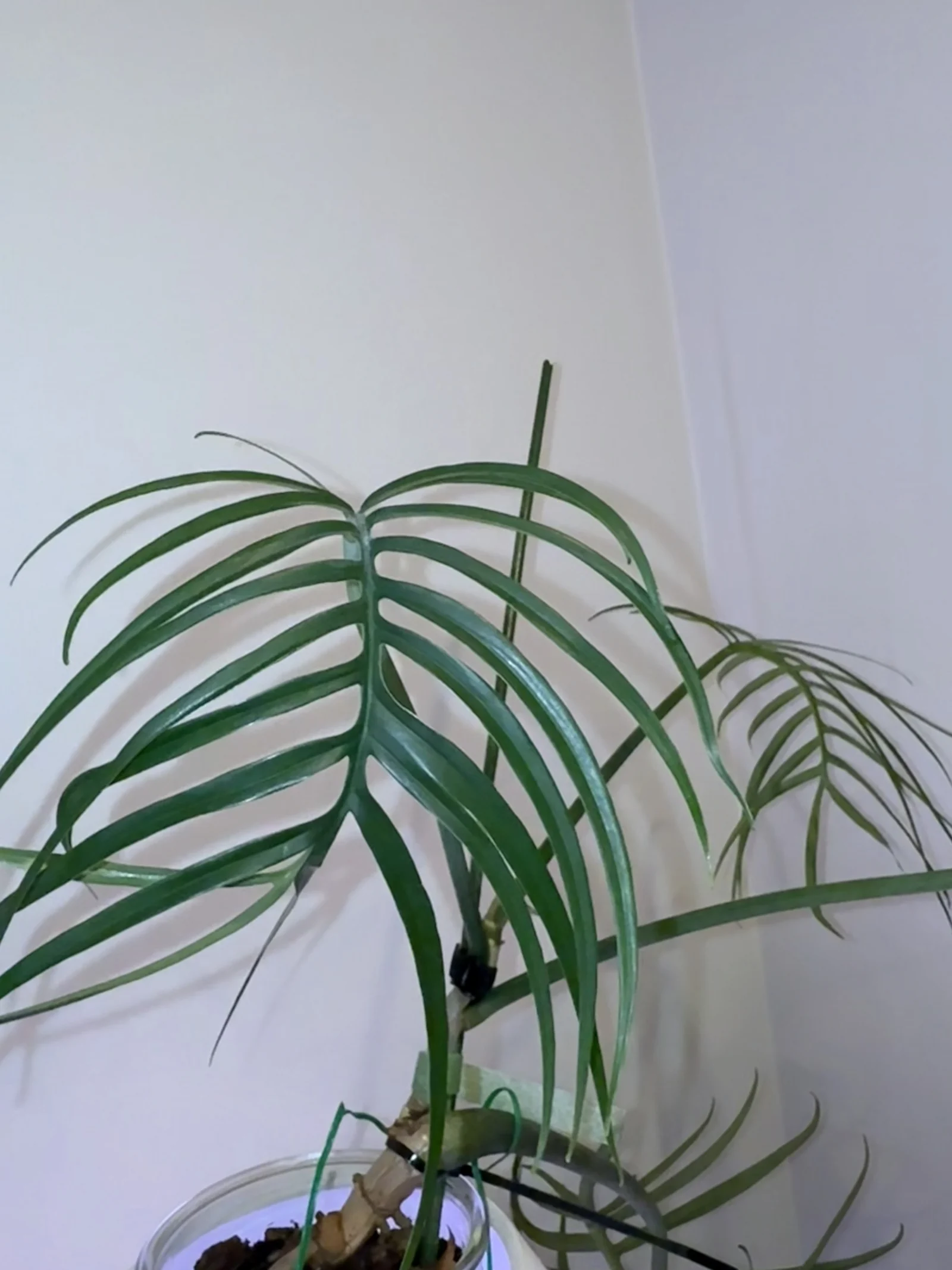
Philodendron tortum is an accepted species native from northern Brazil to Bolivia. It grows in wet tropical habitats and has deeply divided leaf blades with long, narrow lobes. Those natural divisions create the fern-like appearance; they are not damage that needs repairing.
You may see the older label Philodendron bipinnatifidum Tortum. The RHS lists that name as a synonym of Philodendron tortum. Keep the accepted species name when checking care information or buying a plant.
Confirm the identity with the supplier if the label is vague. Look at the whole plant, several opened leaves, and the stem. A resemblance to a fern or palm is a useful description, but it does not establish the identity of every lookalike.
Philodendron Tortum care at a glance
| Care area | Starting point | What to watch |
|---|---|---|
| Light | Bright indirect light; a grow light can help in a dim room. | Sparse growth or a longer stem may signal insufficient light. |
| Water | Let the upper mix dry somewhat, then check below the surface. | A heavy pot with wet mix needs more time before watering. |
| Soil and pot | An airy, moisture-retentive medium in a pot with drainage holes. | Persistent wetness, trapped runoff, or rapid uneven drying. |
| Humidity | Average to above-average indoor humidity can suit Tortum. | Very dry room air and repeated crisp leaf tips. |
| Temperature | A warm, stable room away from cold drafts and heat blasts. | Leaves touching cold glass or foliage beside a vent. |
| Feeding | Use a houseplant fertilizer during active growth, following its label. | Salt deposits or browning after excessive feeding. |
Adjust these starting points to your own plant. A small Tortum in a coarse mix can dry differently from an established plant in a larger plastic pot.
Choose useful light
Give Tortum a position with medium to bright indirect light, favoring the brighter end for steady growth. If natural light is limited, a plant light is an option. Protect a plant newly moved from a shaded spot from a sudden increase in strong direct sun.
Window direction alone does not tell you how much light reaches the leaves. Trees, overhangs, curtains, and the distance from the glass all affect the result. Check the actual position through the day instead of relying on one universal window distance.
If new growth becomes sparse, check light before adding fertilizer. Plants in dimmer conditions usually grow more slowly and use less water, so the same watering routine can become excessive after a move to a darker room.
Water according to the pot
Let the upper part of the medium dry between waterings, then assess the moisture below it. If the pot still feels heavy and the root zone is wet, wait. A dry-looking surface is only one observation, especially in a mix containing coarse bark.
When watering is needed, wet the root zone thoroughly and allow the excess to drain. Empty the saucer or decorative outer pot. Repeated small splashes can leave parts of the root ball dry, while a pot standing in runoff keeps the bottom wet.
Check more often after a change in pot size, mix, light, or room temperature. Use those checks to learn the plant’s drying pattern. They are more useful than deciding in advance that Tortum must receive water every seven days.
Drooping does not automatically mean thirst. If the medium is already wet, examine drainage and consider the roots before adding more water. Damaged roots can cause wilting even while the pot contains ample moisture.
Choose soil and a draining pot
A suitable philodendron soil should retain some moisture and leave air spaces around the roots. Commercial houseplant mixes can combine peat or coir with perlite and processed bark. Read the ingredients and intended use rather than judging only by the words aroid mix.
You do not need to assemble a long ingredient list to keep Tortum growing. Start with a suitable container mix, then adjust it if the plant’s drying pattern gives you a reason. A very coarse blend may require more frequent attention; a dense one can stay wet longer.
Use drainage holes and a pot sized to the root system. When more root space is needed, move up one pot size, typically about 1 to 2 inches wider. A much larger container holds more damp medium than a small root ball can use.
For a closer look at mix ingredients, see philodendron potting soil.
Manage humidity temperature and feeding
Tortum often grows well in average household humidity, although very dry air can warrant a humidifier. Check the room with a hygrometer if you are unsure. Increasing humidity should change the air around the leaves, not keep the potting mix permanently wet.
Frequent misting gives only a brief humidity increase. A room humidifier provides a more consistent change when air is too dry. Keep it clean and follow its instructions, while allowing normal air movement around the plant.
Warm home temperatures around 65 to 80 degrees Fahrenheit are a useful general philodendron baseline. Keep Tortum away from cold drafts, freezing conditions, and direct blasts from heating or cooling vents. This range is a practical starting point, not a narrow threshold for this species.
Feed while the plant is actively growing with a fertilizer intended for houseplants. Follow the product’s dose and timing, and account for fertilizer already included in the mix. Pause or reduce feeding when growth slows. Extra fertilizer cannot compensate for poor light or damaged roots.
Climbing growth and mature appearance
The Kew species record for Philodendron tortum identifies it as a climber and describes its root-climbing habit. A stable pole, trellis, or suitable support gives an extending stem somewhere to attach.
A young plant can look compact and bushy before its stem becomes more vine-like. As it extends, position the growing stem alongside its support and secure it gently if needed. Allow space for new leaves instead of tying the leaf stalks tightly against the pole.
You can use a moss pole, but the important feature is a stable climbing surface. If you keep the pole moist to encourage rooting into it, check the pot separately. A wet pole is not a reason to keep watering a root ball that is already moist.
Mature Tortum keeps its deeply divided foliage and can develop much larger leaves. Costa Farms reports that mature leaves can exceed 12 inches long. Treat that as a possible leaf size under suitable conditions, rather than a size every plant must reach by a particular age.
Plan for the stem’s length and the leaf spread as your plant grows. Indoor height depends on its support, care, and pruning. Track the size of successive leaves and photograph the same plant over time; those observations show your progress more clearly than a promised monthly growth rate.
Repotting and propagation
Repot when the roots are densely crowded or the medium has deteriorated. Increase the pot size only if the roots need more room. Use fresh medium, maintain the previous planting depth, and reassess watering afterward. A suitable current pot can be reused after cleaning.
Tortum can be propagated from stem sections containing nodes, the points from which new growth and roots can develop. A detached leaf without a node is not the same as a stem cutting. Choose healthy material and use clean cutting tools.
Water or a suitable moist rooting medium can support climbing philodendron cuttings. Keep the leaves above water if using a jar, refresh the water regularly, and avoid a saturated, poorly aerated rooting mix. Wait for an established root system before treating the cutting like a mature potted plant.
Wear gloves when handling philodendron sap, and keep the plant away from children and pets. Philodendrons are harmful if eaten and their sap can irritate skin.
The guide to how to repot a philodendron covers the full process and aftercare.
Common problems and what to check
Start with the recent conditions: moisture, light, room temperature, feeding, and any move or repot. The same symptom can have several causes. Check the plant before changing several parts of its care at once.
| What you see | What to check | A useful next step |
|---|---|---|
| Yellow leaves or wilting | Wetness below the surface, trapped runoff, roots, and any recent change. | Correct the moisture problem. Inspect roots if wetness persists with declining foliage. |
| Crisp brown tips or edges | Dry root zones, very dry air, and fertilizer or mineral buildup. | Address the observed cause; increasing humidity alone may not solve a watering or salt problem. |
| Long sparse growth | How much light reaches the plant and whether the stem has support. | Improve usable light gradually and give an extending stem a climbing surface. |
| Cottony insects or other visible pests | Leaf undersides, stem joints, and nearby plants. | Isolate an affected plant, identify the pest, and use a control appropriate for that pest and houseplants. |
Soft, mushy roots or a collapsing stem base need prompt attention. Fresh mix alone cannot restore rotted tissue. Use healthy tissue if attempting propagation, and avoid transferring affected medium to other plants.
Inspect the narrow leaf lobes gently rather than waiting for a large infestation. Cottony clusters can indicate mealybugs, but a sticky patch alone is not enough to identify the pest. Base treatment on what you can actually find.
Common questions
Is Philodendron Tortum a climber
Yes. Its documented habit is root-climbing. A small potted plant may look bushy at first, so provide support as the stem begins to extend rather than judging the mature habit from the nursery pot alone.
Does Tortum need very high humidity
It can grow in average home conditions. If your room is particularly dry, improving humidity may help. Judge the plant’s growth alongside its moisture and light conditions; a humidity number on its own does not describe the whole setup.
Why is my Tortum growing slowly
Check light and root conditions first, then consider room temperature and whether the plant is settling after a move. A healthy plant may slow under shorter, dimmer days. Adding more fertilizer is useful only when feeding is the actual limitation.
These guides help you assess care conditions. If a problem keeps spreading, share your observations and photographs with a local Extension service. Read our editorial approach.
Spotted something we should check?
Suggest a correctionA USEFUL NEXT READ
Keep following the clues.
Soil & repotting7 min read
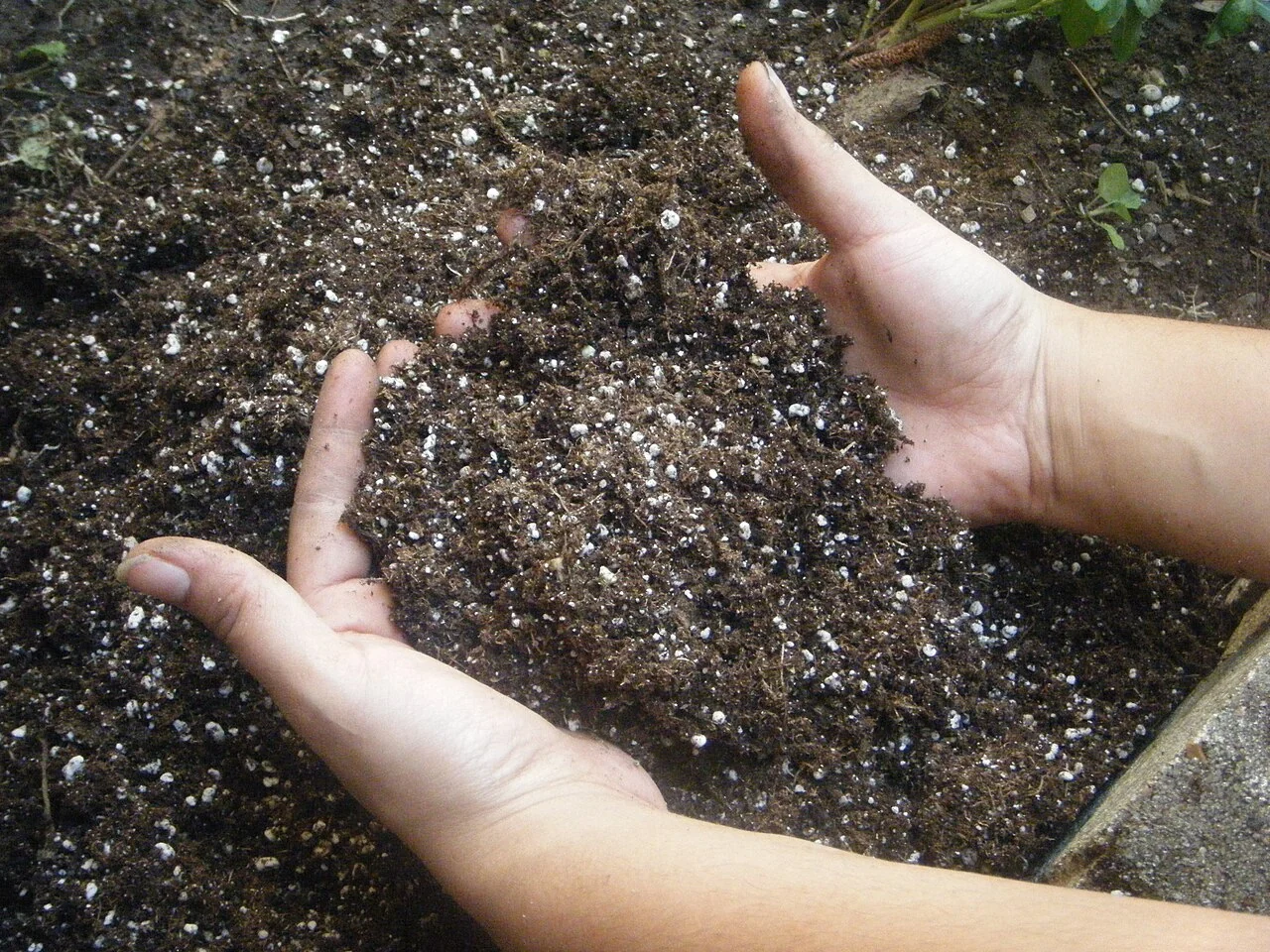
Philodendron Potting Soil
Choose a mix that balances moisture, air, and your growing conditions.
Read the guide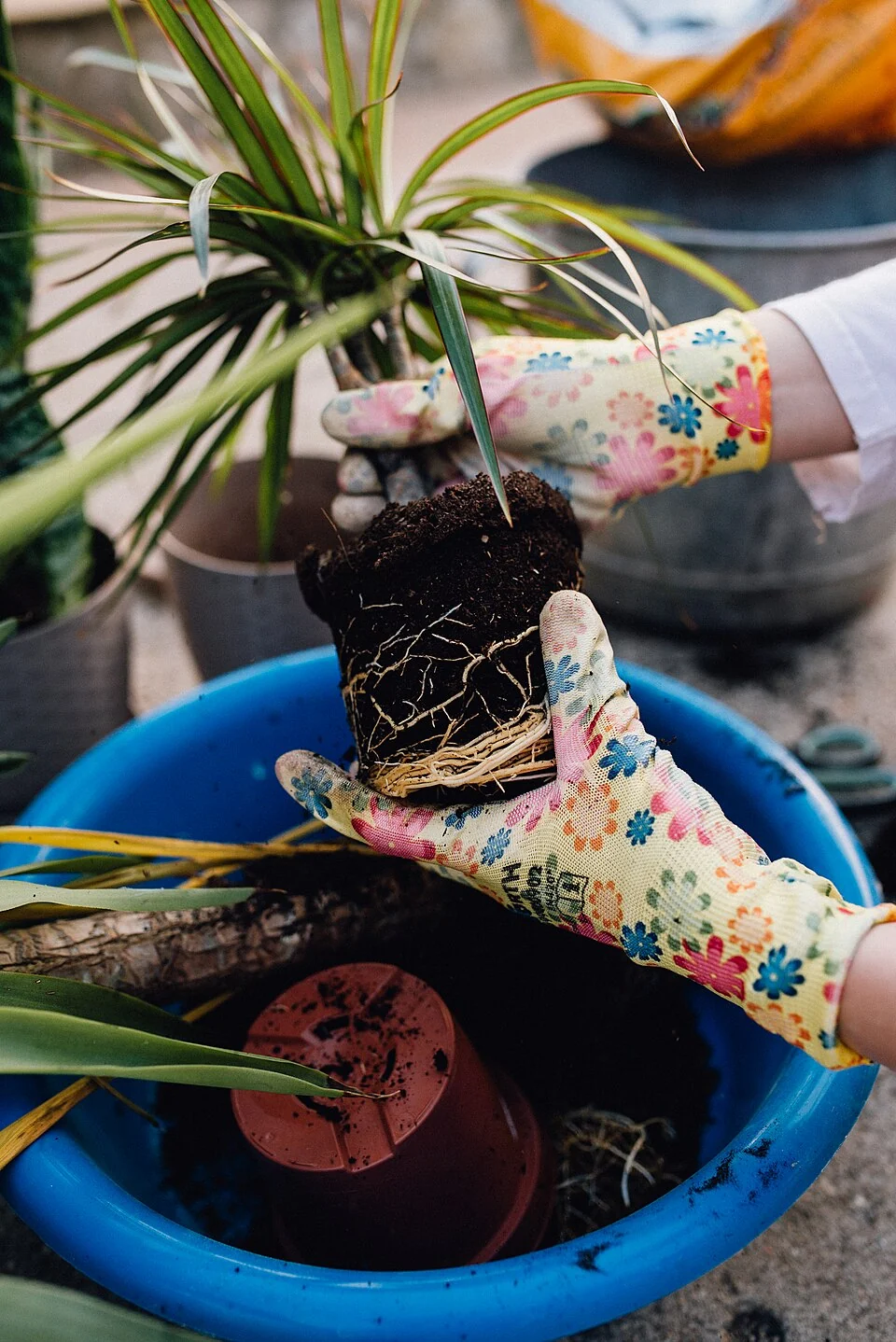
Soil & repotting8 min read
How to Repot a Philodendron Plant
Know when a move is needed, and how to handle the root ball.
Read the guide Image credits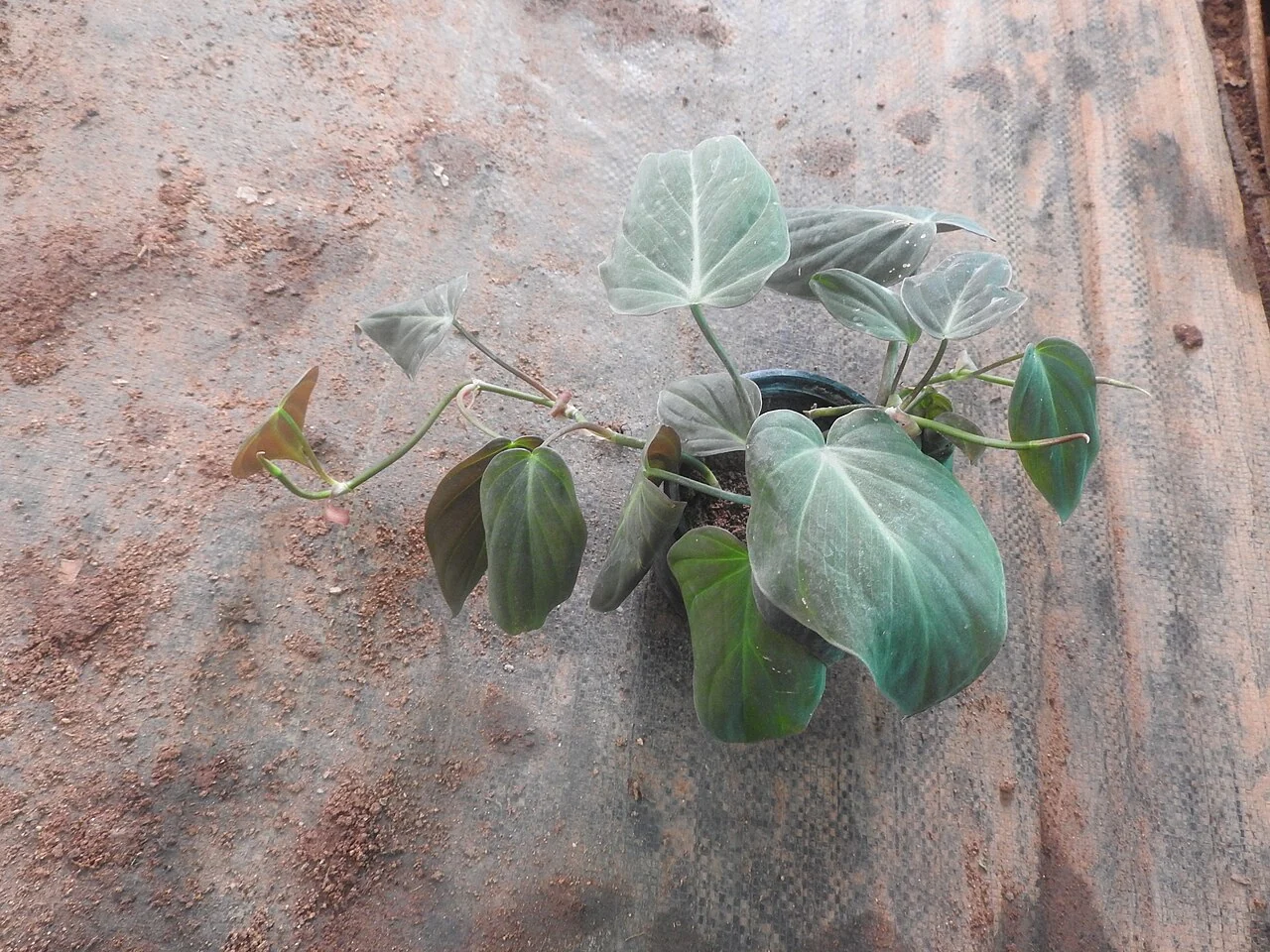
Plant care8 min read
Philodendron Micans Care
Light, water, and a better everyday routine for velvet leaves.
Read the guide Image credits