PLANT IDENTIFICATION
Philodendron White Wizard vs White Knight
How to tell them apart
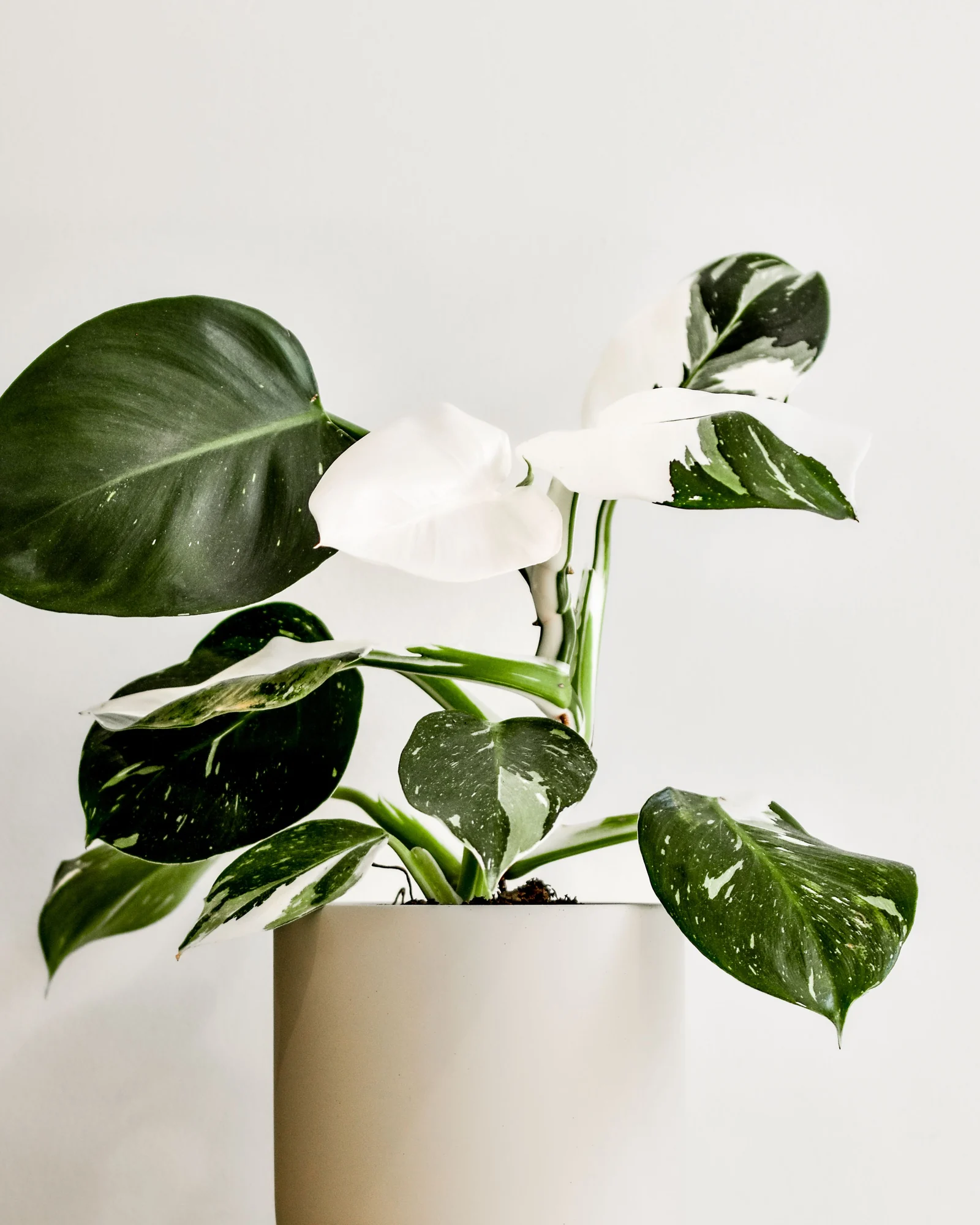
White Wizard
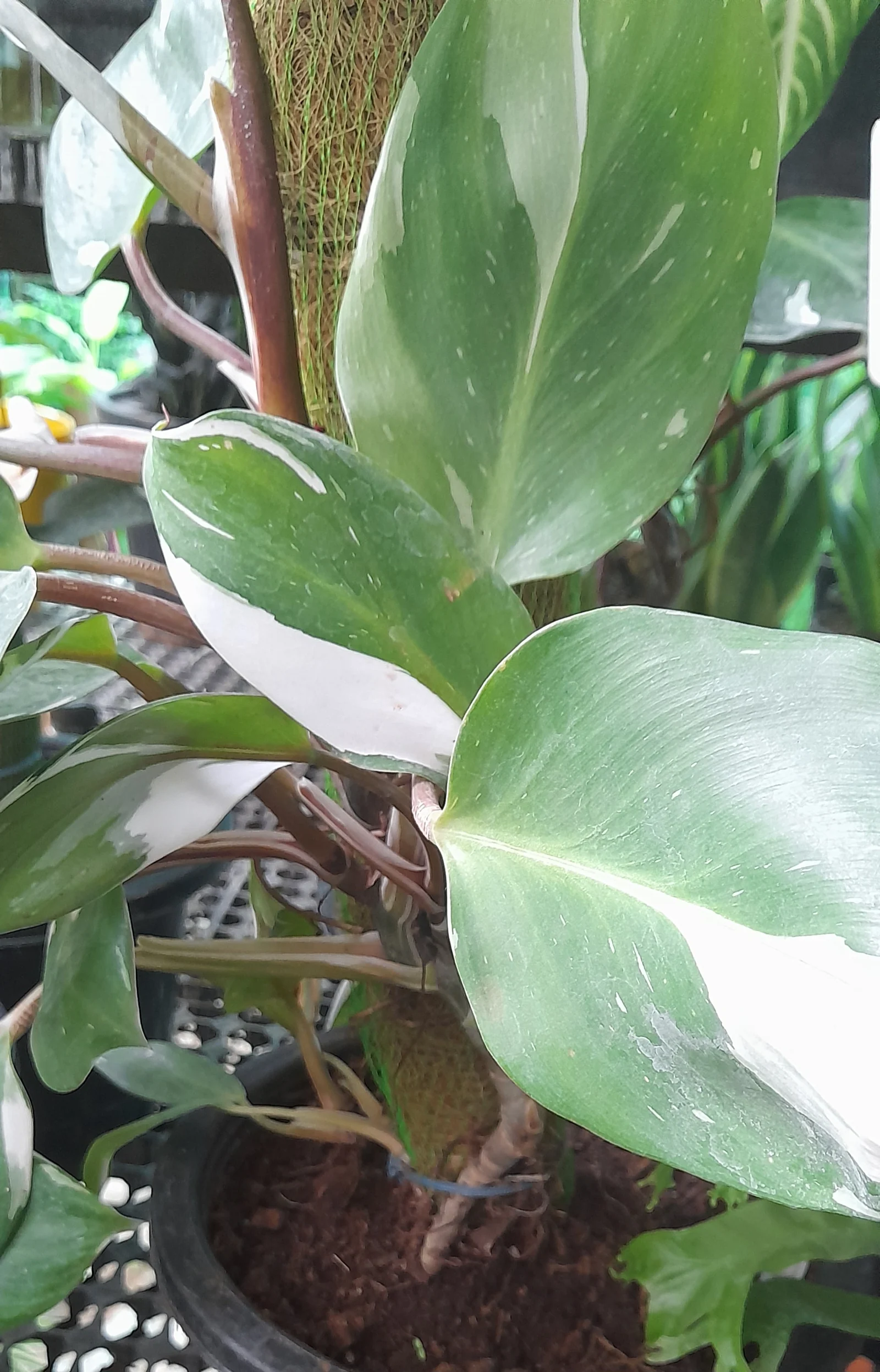
White Knight
In this guide
The most useful difference between Philodendron White Wizard and White Knight is the stem color. White Wizard has a green stem, while White Knight has a deep red stem that often looks burgundy. Their green-and-white leaves can look similar, so look below the foliage first.
Use this distinction to start an identification, then check several parts of the plant and its source. A tiny plant, a tightly cropped photograph, or a label without supporting detail may leave the name uncertain.
White Wizard and White Knight at a glance
| Feature | White Wizard | White Knight |
|---|---|---|
| Main stem | Green background. | Deep red to burgundy background. |
| Leaf coloring | Green leaves with white variegation. | Green leaves with white variegation; the pattern varies from leaf to leaf. |
| Leaf outline | Commonly elliptical to spade shaped. | Described as elongated and heart shaped. |
| Growth habit | Vining and climbing; can be trained on a support. | Climbing; can be trained on a support. |
Stem color is the clearest starting clue in this comparison. Leaf outline and growth habit provide context, but neither gives you a dependable answer from one leaf or a small tabletop plant.
Inspect the stem and leaf stalks
Find the main stem
The main stem carries the leaves. A petiole is the stalk connecting an individual leaf blade to that stem. On a compact young plant, the main stem may be partly hidden behind several petioles, so a front view of the leaves can miss the useful detail.
Look between the leaf attachments and inspect more than one section of living stem. Dried coverings, shadows, and a dark potting mix behind the plant can confuse what you are seeing. Take a side view instead of pulling a new leaf apart to expose its base.
Check the color in ordinary daylight
White Wizard should show the green stem background described above. Its green petioles also help when you are comparing a plant with other white-variegated philodendrons.
White Knight has the contrasting deep red stem described in the RHS plant profile for White Knight. Check this color on living growth rather than identifying the plant from a brown, dried leaf covering.
If you are buying online, request a close-up taken in neutral daylight. Purple grow lights, colored filters, and strong shadows make color comparisons harder. Ask for a wider photograph as well, so you can see where the close-up belongs on the plant.
Use several observations together
A green-stemmed plant fits White Wizard better than White Knight, but that does not establish White Wizard among every possible philodendron. White Princess and other cultivated forms enter the picture too. Compare the petioles, several leaves, and the seller’s identification history before settling on the name.
When the visible features do not match the label, keep the identification provisional. Clearer photographs or information about the plant’s source are more useful than trying to make one ambiguous detail fit.
Why the leaves can mislead you
White patches alone do not separate these plants. Both can have green-and-white foliage, and White Knight can produce very different amounts of white on neighboring leaves. A leaf with a large white area is not proof that the plant is White Wizard.
Leaf shape helps describe the plant, but it is a weaker standalone test. The elliptical or spade-shaped leaves described for White Wizard and the elongated heart-shaped leaves described for White Knight are useful comparisons, not a ruler-based identification method.
Size also needs context. A young plant and an established climber are not comparable specimens. White Knight can develop larger leaves when grown vertically, so a big leaf does not establish which cultivar grows larger in every home.
For a useful comparison, photograph a few fully opened leaves on each plant and include the stem. Comparing a nursery’s mature display plant with a small cutting can exaggerate differences that reflect the stage of growth.
Where White Princess fits
White Princess can resemble White Wizard because it also has green-and-white leaves. A helpful clue is pink coloring mixed with green and white along its petioles. Inspect the leaf stalks closely, even when the leaf blades themselves show no pink.
If a plant offered as White Wizard has pink striping on green petioles, consider White Princess and ask for confirmation. Pink markings are a reason to examine the whole plant and its source, rather than a reason to assign a name from one tiny streak.
What to ask before buying
Request photographs of the actual plant you will receive whenever possible. If the listing uses representative images, ask what identification and quality checks apply to the plant being shipped.
Useful details to request include:
- A whole-plant photograph and close-ups of the main stem and several petioles.
- A view of the latest fully opened leaves and the growing point.
- The grower’s cultivar label and any information about where the plant was obtained.
- Whether it is rooted and growing in a pot, an unrooted cutting, or a tissue-culture plantlet that still needs acclimation.
Check plant health as well as the name. Look for firm growth, obvious pests, damaged leaves, and the condition of any visible roots. A photograph chosen for its white pattern may not show those details.
Ask for clarification if the label says one cultivar while the stem suggests another. If identity matters to your purchase and the seller cannot supply enough detail, wait for a plant with a clearer identification.
Which one should you choose
Choose White Wizard if you prefer green stems beneath the white-variegated leaves, or White Knight if you prefer the contrast of dark red stems. Then compare the actual plants offered, including their health, rooting stage, and suitability for your space.
Do not assume that one name guarantees more white, faster growth, or easier care. Choose a plant you can identify and maintain, rather than treating a description such as rare or high variegation as a quality test.
More white also has a tradeoff. White leaf tissue contributes little or no photosynthesis and relies on the green portions of the plant. A plant producing repeatedly almost-white leaves can have less capacity to support growth than its appearance suggests.
Care priorities for both plants
Start with bright, indirect light and avoid a sudden move into strong sun. Keep the plants away from cold drafts and heat sources. Adjust the position to the conditions in your home rather than copying a window distance from someone else’s setup.
Check moisture before watering. Let the surface begin to dry, then look below it and consider the weight of the pot. When water is needed, wet the root zone thoroughly, allow excess water to drain, and empty the saucer or outer pot.
Use a loose medium that retains some moisture in a pot with drainage holes. Repot when the root system or deteriorating mix gives you a reason to do so. A large new pot can keep surplus medium wet for longer.
Keep both plants out of reach of children and pets, and wear gloves when handling sap. Philodendrons are harmful if eaten and their sap can irritate skin.
For a detailed routine, see Philodendron White Knight care. The shared guides to philodendron potting soil and how to repot a philodendron cover the mix and container steps.
Common questions
Are White Wizard and White Knight the same plant
They are sold as different cultivated forms with distinguishing traits, rather than two interchangeable labels for any green-and-white philodendron. Similar leaf coloring does not settle cultivar identity. Use the whole plant’s characteristics and a credible source.
Can a greener leaf mean my White Knight became White Wizard
No. A change in the amount of white on a leaf does not turn one named cultivar into the other. Judge repeated growth alongside the stem traits. One greener leaf alone is not enough to establish a permanent loss of variegation.
Which one grows faster
The name alone does not give a dependable growth schedule. Light, root condition, the amount of green tissue, and the stage of growth all matter. Compare how your own plant grows under its actual conditions instead of expecting a fixed rate from the cultivar label.
These guides help you assess care conditions. If a problem keeps spreading, share your observations and photographs with a local Extension service. Read our editorial approach.
Spotted something we should check?
Suggest a correctionA USEFUL NEXT READ
Keep following the clues.
Plant care9 min read
Philodendron White Knight Care
Root health, useful light, and a realistic approach to variegation.
Read the guide Image credits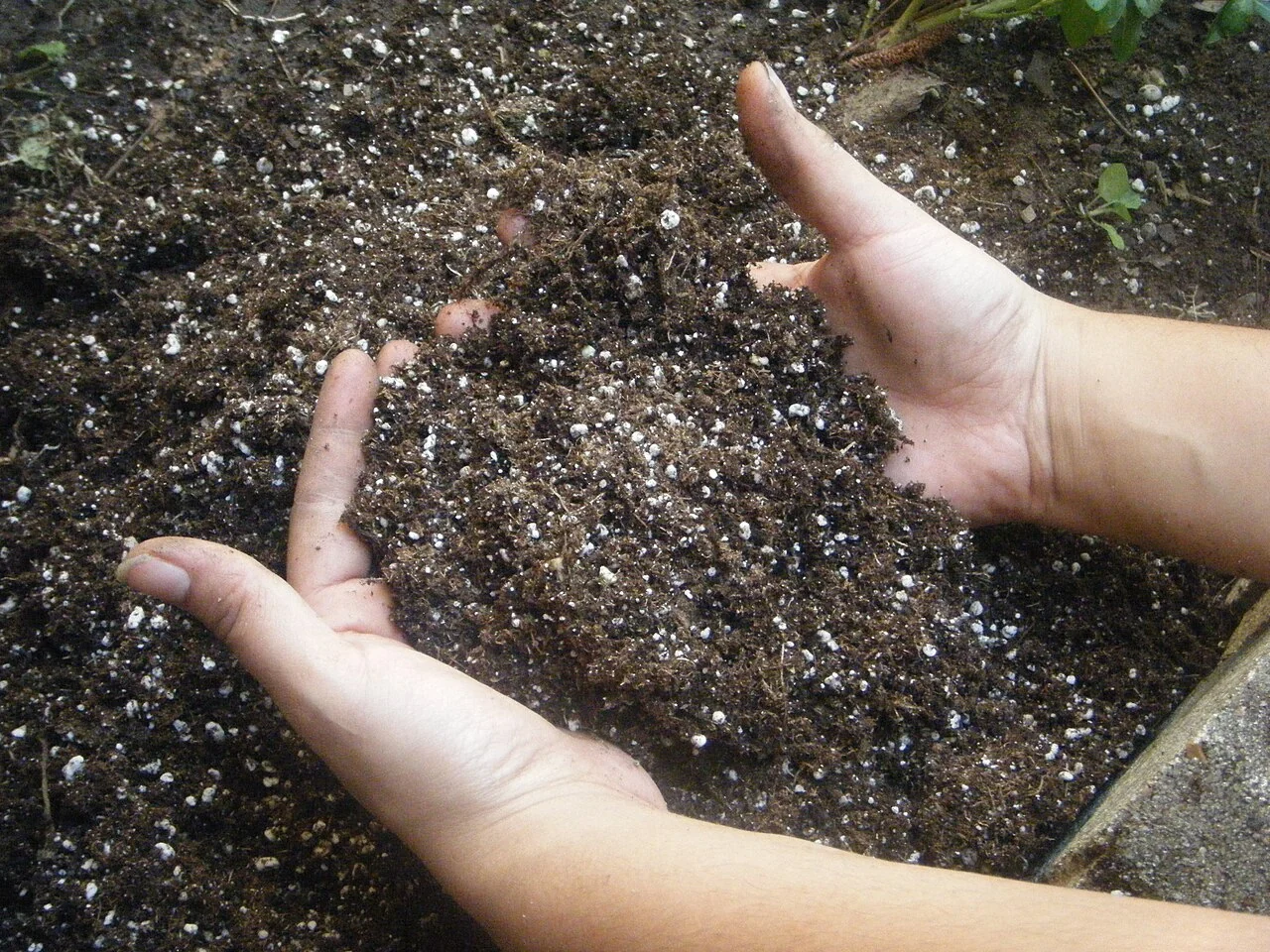
Soil & repotting7 min read
Philodendron Potting Soil
Choose a mix that balances moisture, air, and your growing conditions.
Read the guide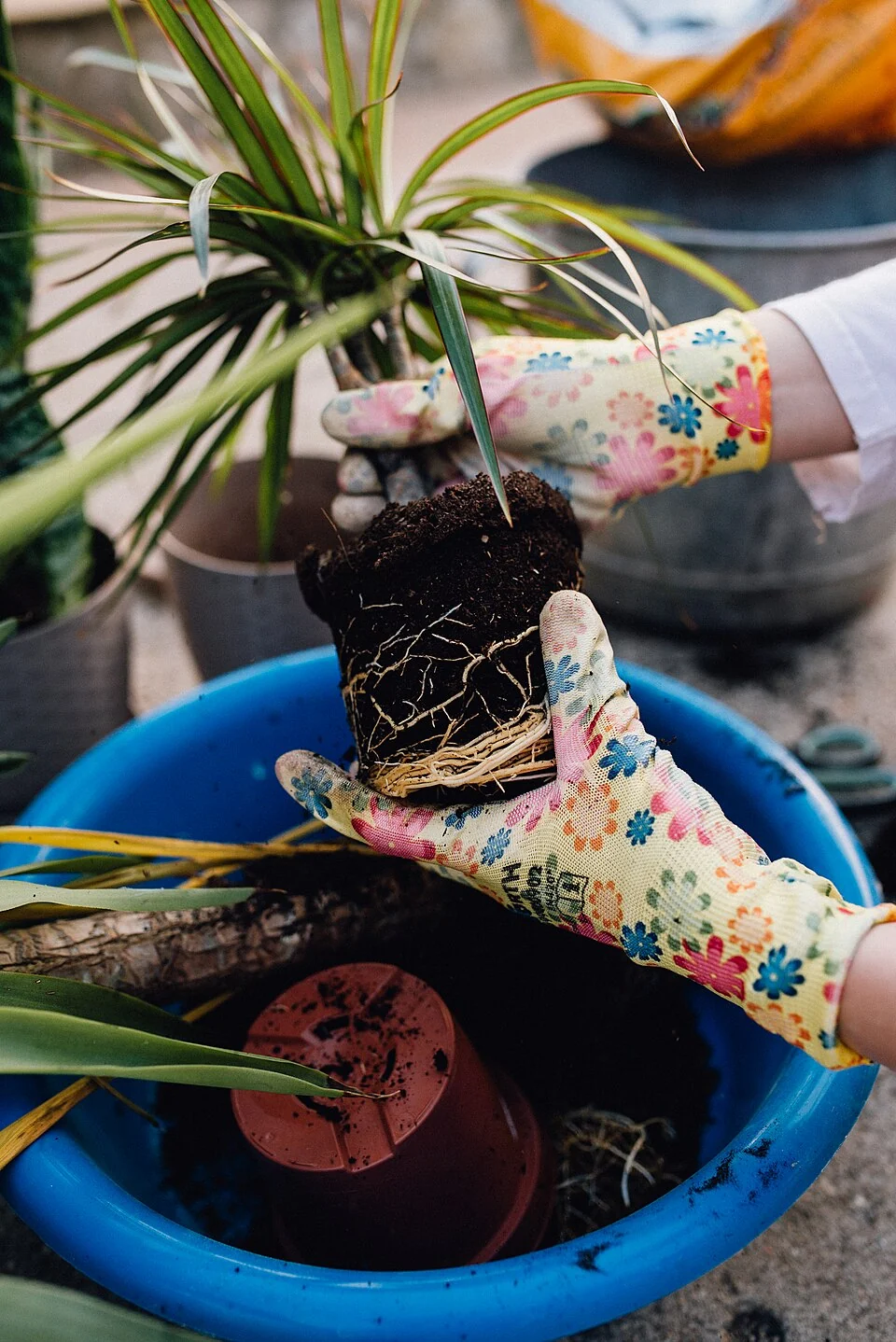
Soil & repotting8 min read
How to Repot a Philodendron Plant
Know when a move is needed, and how to handle the root ball.
Read the guide Image credits