PLANT CARE
Philodendron White Knight Care
Light watering soil and changing variegation
In this guide
Philodendron White Knight care centers on good indirect light, a pot that drains, and watering guided by the pot’s moisture. Give it a warm, stable position and room to climb as it grows. Its green-and-white foliage needs the same attention to root health as the rest of the plant.
White Knight’s leaf pattern can vary considerably. A greener leaf is not, by itself, evidence that you have failed at care. Look at the growing stem and several successive leaves before deciding whether a change needs action.
Confirm White Knight identity
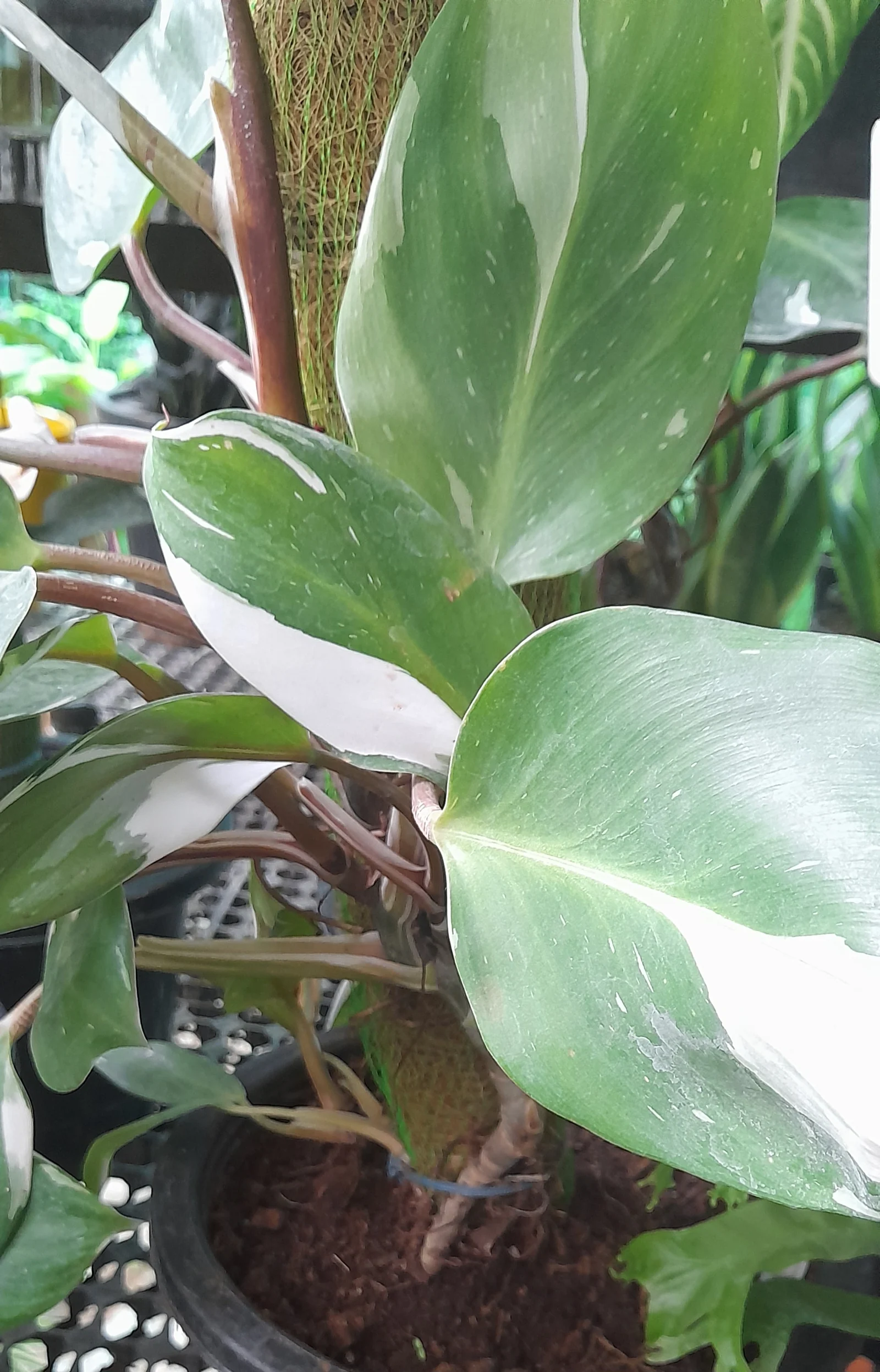
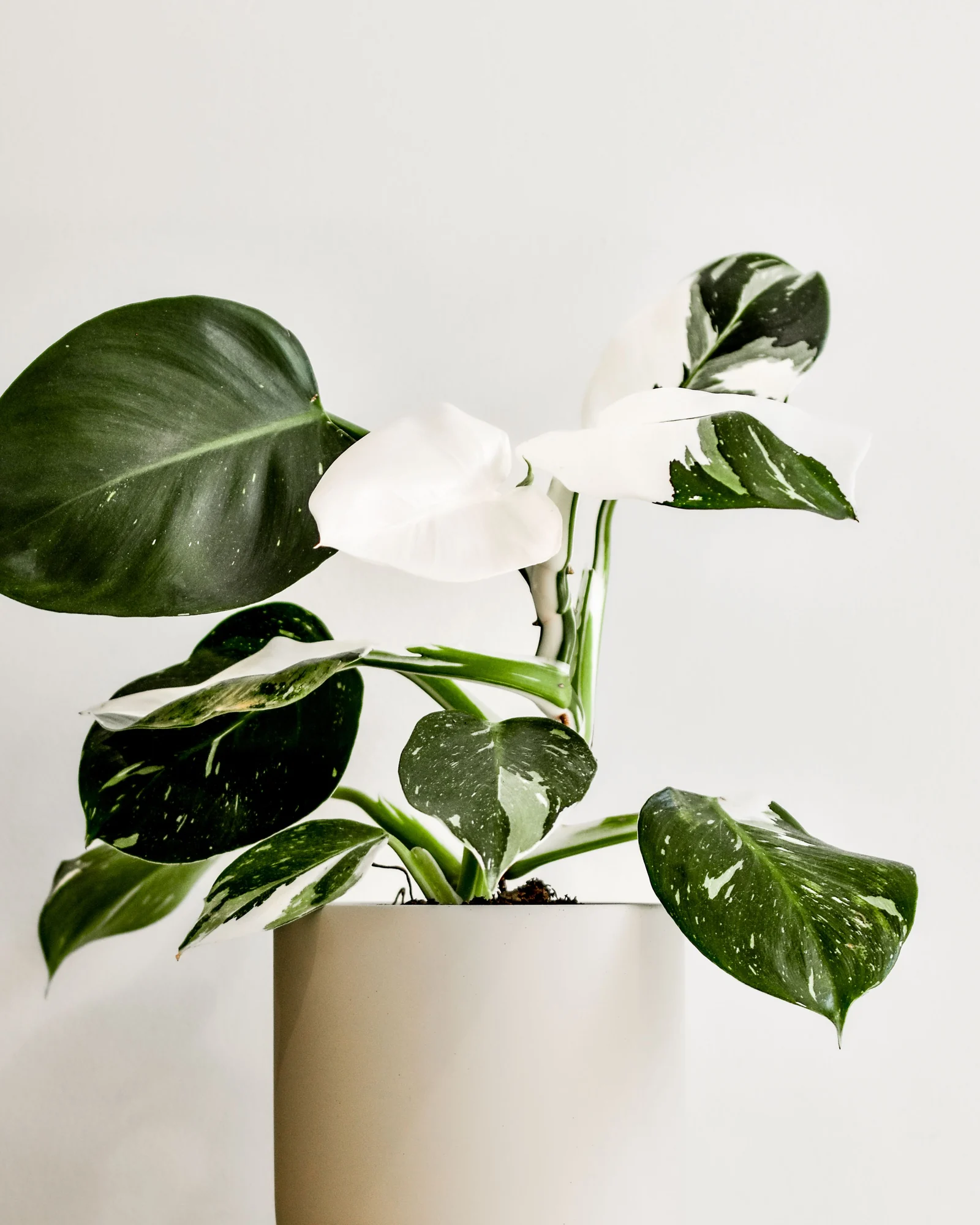
The RHS White Knight profile describes a climbing philodendron with green-and-white leaves and deep red stems. Inspect the stem as well as the leaves, and keep the grower’s identification label. White patches on a leaf are shared by several philodendrons.
The leaf stalk, or petiole, connects the leaf blade to the main stem. Costa Farms describes White Knight petioles as dark green, red, or purple with white stripes. Assess these details together rather than expecting every stalk to have an identical color.
If you are choosing between similar plants, our White Wizard vs White Knight guide explains the comparison in more detail.
White Knight care at a glance
| Care area | Starting point | What to watch |
|---|---|---|
| Light | Medium to bright indirect light | Protect white sections from harsh direct sun. |
| Water | Check as the top inch or two dries | A heavy wet pot needs time before more water. |
| Soil | Airy mix that retains some moisture | Water can drain and air can reach roots. |
| Pot | Drainage holes and a close fit to roots | Upsize only when roots need the space. |
| Temperature | About 65 to 80 F | Avoid cold glass and heater or AC blasts. |
| Humidity | Average to above-average room humidity | Very dry air can interfere with leaf opening. |
| Feeding | Houseplant fertilizer during active growth | Follow the label and avoid overfeeding. |
| Growth | A climbing plant with variable leaf patterns | Plan support as the stem lengthens. |
Light that supports healthy growth
Start in a medium to bright position with indirect light. An unobstructed east- or west-facing window can work, depending on the actual exposure. Keep the foliage out of harsh afternoon sun, especially outdoors, because the white areas can scorch easily.
A plant grown under shade in a nursery should be introduced to a brighter location gradually. Watch for bleaching or new brown patches after a move. Filter strong sunlight with a curtain or reposition the pot rather than exposing the leaves to more sun in pursuit of extra white.
Longer gaps between leaves, thin new growth, and a plant leaning toward the window are reasons to assess the light. Consider a suitable grow light if daylight is inadequate. Follow its placement guidance and judge the plant’s newer growth, not just the brightness of the room to your eyes.
White parts of variegated leaves lack the green pigment chlorophyll, so the green areas matter for capturing light energy. Healthy green foliage remains valuable even when it has less white than you hoped for.
Water after checking the root zone
Check the top inch or two of the mix and lift the pot before watering. The surface may look dry while the pot is still heavy and damp below it. A regular reminder can help you inspect the plant; it does not need to become a fixed watering day.
When the upper layer has dried and the pot has become lighter, water the mix evenly until excess water drains from the holes. Let it drain before returning it to a decorative cover, and empty the runoff. Avoid repeatedly adding small splashes to an already damp pot.
White Knight benefits from moisture without prolonged saturation. Let the surface dry a little between waterings, while avoiding long periods with the entire root ball dried out. Soggy mix can damage roots even when the leaves initially look fine.
If the plant wilts, check moisture before adding water. Both insufficient water and root trouble in wet soil can produce wilting. Water a dry root ball appropriately; a wet, declining plant needs its drainage and roots assessed.
Expect the interval to change with the season, light, temperature, and mix. Plants in dimmer conditions tend to use water more slowly. Reassess the pot whenever you move it or repot it.
Soil and pot selection
Choose a fresh houseplant mix that holds moisture but has an open structure. Bark and perlite or pumice can contribute air spaces, alongside ingredients that retain water. Dense garden soil alone is a poor choice in a pot because it restricts air and water movement around the roots.
Look at the mix’s behavior after watering. It should wet reasonably evenly and release excess water, rather than remain a compacted wet mass. Pot size also matters: a sound mix in a much larger pot can still stay wet longer than the plant needs.
Our philodendron potting soil guide explains ingredients and mix options without requiring a separate recipe for every cultivar.
Use drainage holes and increase the pot size only when the root ball needs room. One size up, often around 1 to 2 inches wider, is a usual houseplant guideline. Keep an inner nursery pot if you like decorative covers, and make sure water cannot collect around its base.
Repot when roots are overcrowded, the mix has deteriorated, or the pot dries so quickly that reasonable watering no longer keeps up. Refreshing poor mix does not automatically mean choosing a bigger container. An appropriately sized clean pot can be reused when the roots still fit.
For the practical steps, read how to repot a philodendron. Keep the plant at its previous planting depth and check the new mix’s moisture during aftercare.
Humidity temperature and fertilizer
White Knight prefers average to above-average indoor humidity. Very dry air can contribute to leaves opening poorly. If the room dries out during heating season, consider a humidifier. Repeated misting raises humidity only briefly and is a poor substitute for managing the air around the plant.
Typical philodendron temperatures of about 65 to 80 F are a useful indoor baseline. Keep leaves away from cold window glass and avoid direct hot or cold air from vents. Stable conditions are easier to manage than repeated moves between very different locations.
Use a houseplant fertilizer while the plant is actively growing, following the product’s dilution and frequency. Check for fertilizer already included in fresh mix. Reduce or pause feeding as growth slows in dim conditions. Excess fertilizer can damage roots.
Growth and climbing support
A young White Knight can look compact on a tabletop, but it is a climber. Provide a stable pole, trellis, or other suitable support as the stem lengthens. Warm, bright conditions and vertical growth can encourage larger leaves as it matures.
Secure the stem gently without pinching the petioles or new growth. Aerial roots can help the plant attach. If you use a moss pole for rooting into, keep the pole moist as needed without keeping the potting mix continually wet.
Propagation basics
Use a healthy stem section with a node and a leaf-bearing portion above it. A node is where a leaf joins the stem and new growth can arise. Include actual stem tissue; a detached leaf blade is not a reliable start for a new climbing plant.
With clean scissors or pruners, cut just below a lower node and remove any leaf that would be submerged. Place the node and lower stem in clean water, leaving the remaining leaves above it. A small container of moist, airy rooting medium is another option.
Keep the cutting in indirect light and change rooting water regularly. Once it has an established root system, pot it into a small container of suitable mix. Rooting time and future leaf patterns vary, so a cutting does not ensure a particular amount of white.
When White Knight produces green leaves
One nearly green leaf can be ordinary variation. Costa Farms notes that the amount of white varies from leaf to leaf, including leaves with little or no white. Record several successive leaves on the same shoot before calling the whole plant reverted.
Reversion describes growth that returns to a form such as plain green shoots on a variegated plant. Inadequate light and other growing problems can also affect leaf color, so check the conditions first. Improving poor light supports growth, but it cannot guarantee restoration of a changed variegation pattern.
If a healthy, well-rooted plant persistently produces a plain green shoot and keeping variegation is your goal, pruning back to growth that previously carried variegated leaves is an option. Identify the node you will leave and retain healthy foliage. New growth may still vary; seek help from an experienced grower before cutting a small or struggling plant.
Common problems and useful checks
Look for accompanying clues before treating a leaf symptom. A brown white patch, yellow leaf, or wilt does not establish a single cause.
| What you see | Checks that help | First response |
|---|---|---|
| Brown patches in white areas | Recent direct sun; dryness; watering and salt buildup | Protect from harsh sun and check the wider care routine. |
| Yellowing or wilting | Pot moisture and root condition | Check whether the root ball is dry or staying wet. |
| Sparse or stretched growth | Light at the leaves and recent growth | Improve inadequate light gradually. |
| A leaf opening poorly | Dry air, moisture changes, visible damage or pests | Check conditions before trying to force it open. |
| Speckling or cottony deposits | Undersides of leaves and stem joints | Look for pests and separate an infested plant. |
| One mostly green leaf | Pattern on several newer leaves | Monitor before treating it as persistent reversion. |
If the pot stays wet and the plant continues declining, gently inspect the roots. Soft, mushy roots or a softened stem support concern about rot. Use clean pots and fresh mix for any appropriate rescue, and take backup cuttings only from healthy tissue. Severe decay may leave too little healthy plant to save.
Pests can hide beneath leaves or around stem joints. Fine webbing may accompany spider mites; cottony clusters may be mealybugs. Separate an infested plant and identify the pest before treatment. If you use a control product, follow its label for the pest and for indoor plants.
Common questions
Why are the white parts turning brown
Strong sun can damage white areas, but watering problems, dry air, and fertilizer salts can also cause browning. Check recent changes and the condition of the pot. White tissue browning does not automatically mean you should water more or add fertilizer.
Does more white always mean a healthier White Knight
No. White areas have less capacity to contribute to photosynthesis because they lack chlorophyll. Green tissue helps support the plant. A healthy specimen with mixed green-and-white leaves is a more useful care goal than pushing it toward entirely white growth.
Keep White Knight away from children and pets that may chew it. Wear gloves when handling or pruning because its sap can irritate skin.
These guides help you assess care conditions. If a problem keeps spreading, share your observations and photographs with a local Extension service. Read our editorial approach.
Spotted something we should check?
Suggest a correctionA USEFUL NEXT READ
Keep following the clues.
Plant identification7 min read
Philodendron White Wizard vs White Knight
Look beneath similar leaves to find the most useful identifying clues.
Read the guide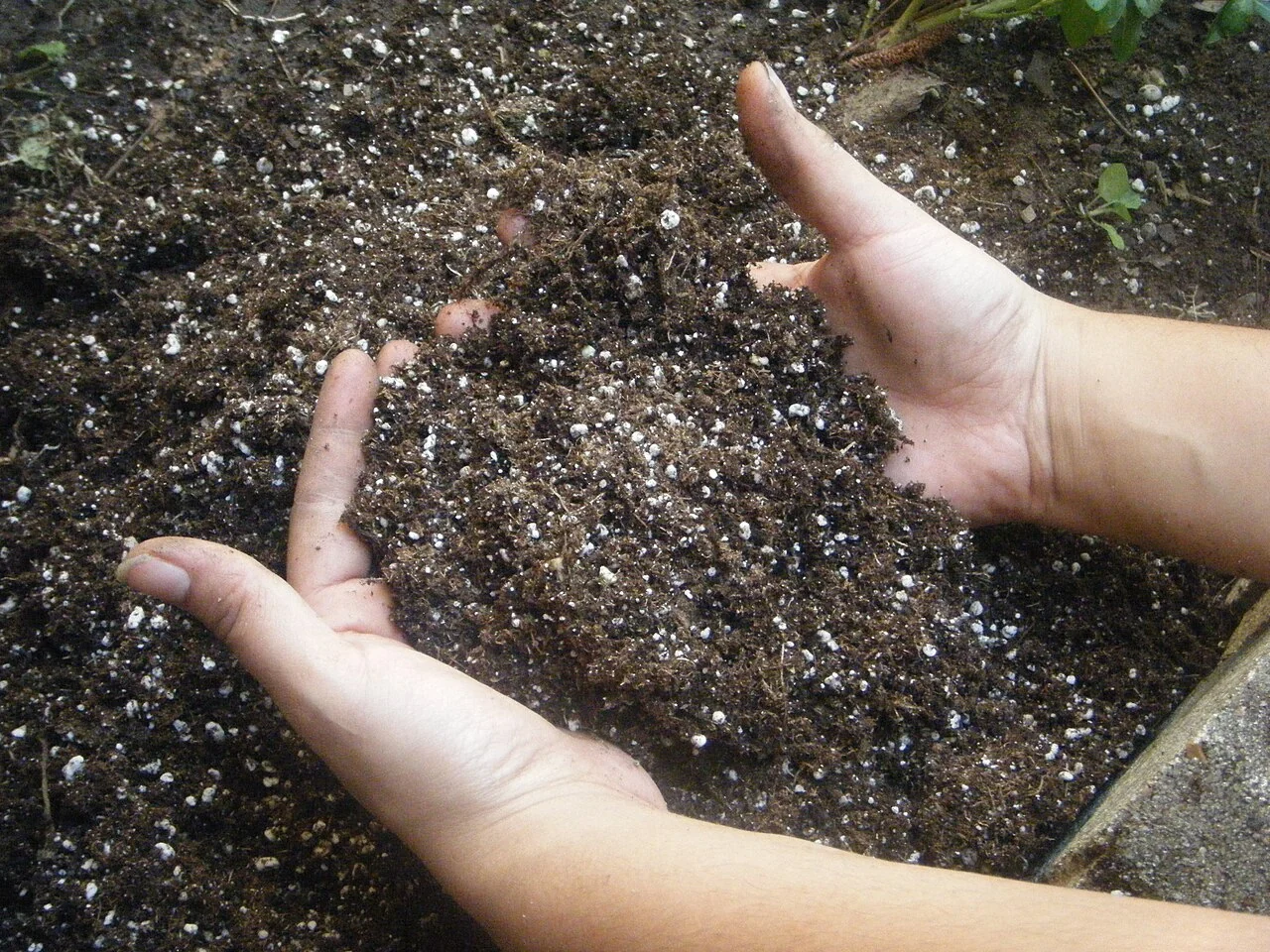
Soil & repotting7 min read
Philodendron Potting Soil
Choose a mix that balances moisture, air, and your growing conditions.
Read the guide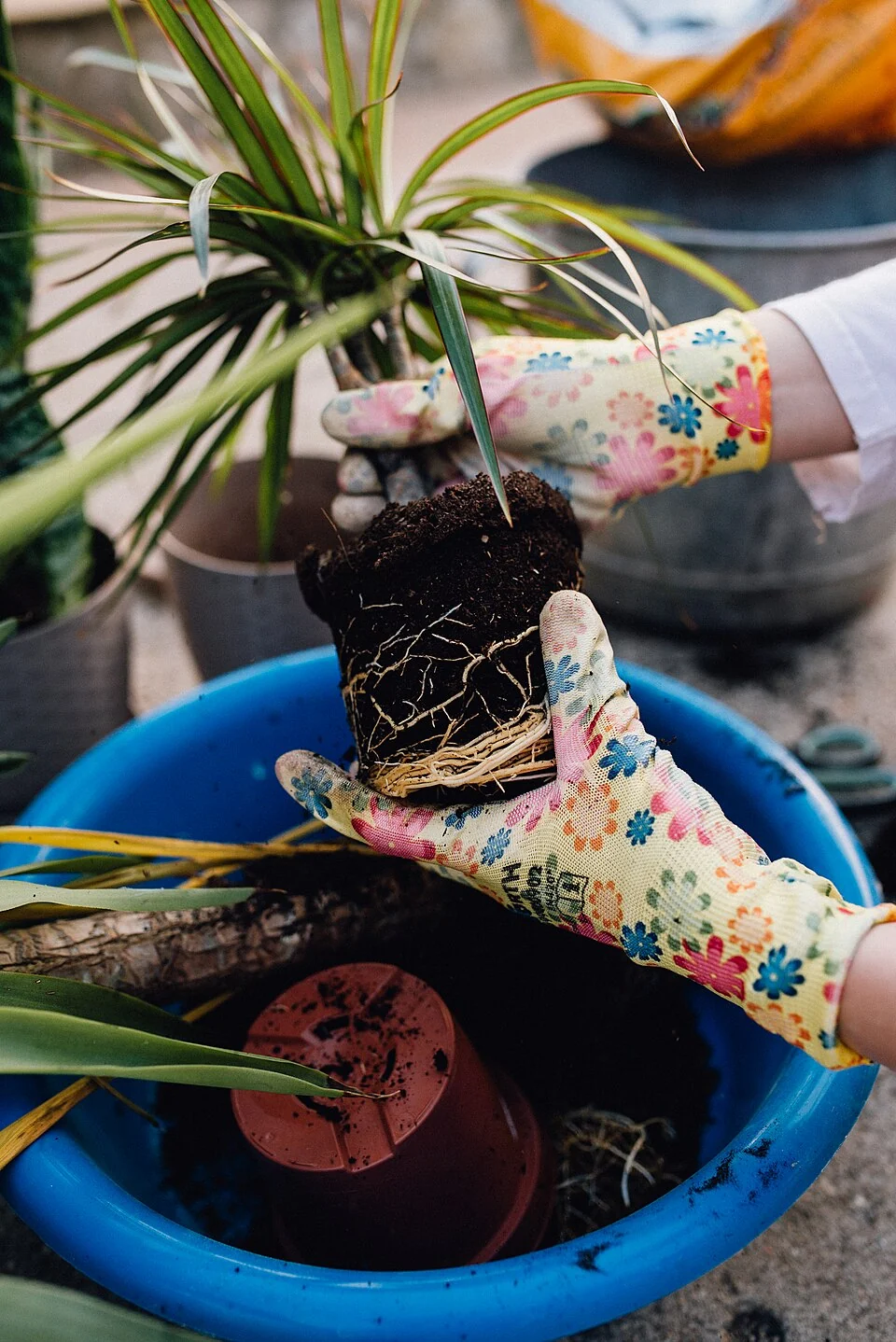
Soil & repotting8 min read
How to Repot a Philodendron Plant
Know when a move is needed, and how to handle the root ball.
Read the guide Image credits