SOIL & REPOTTING
Philodendron Potting Soil
What to use and how to mix it
In this guide
Good potting soil for philodendron holds enough moisture to keep roots supplied with water while allowing excess water to drain. A suitable all-purpose houseplant mix can work for many commonly grown philodendrons. A specialty aroid mix is another option, rather than a requirement.
What philodendron soil needs to do
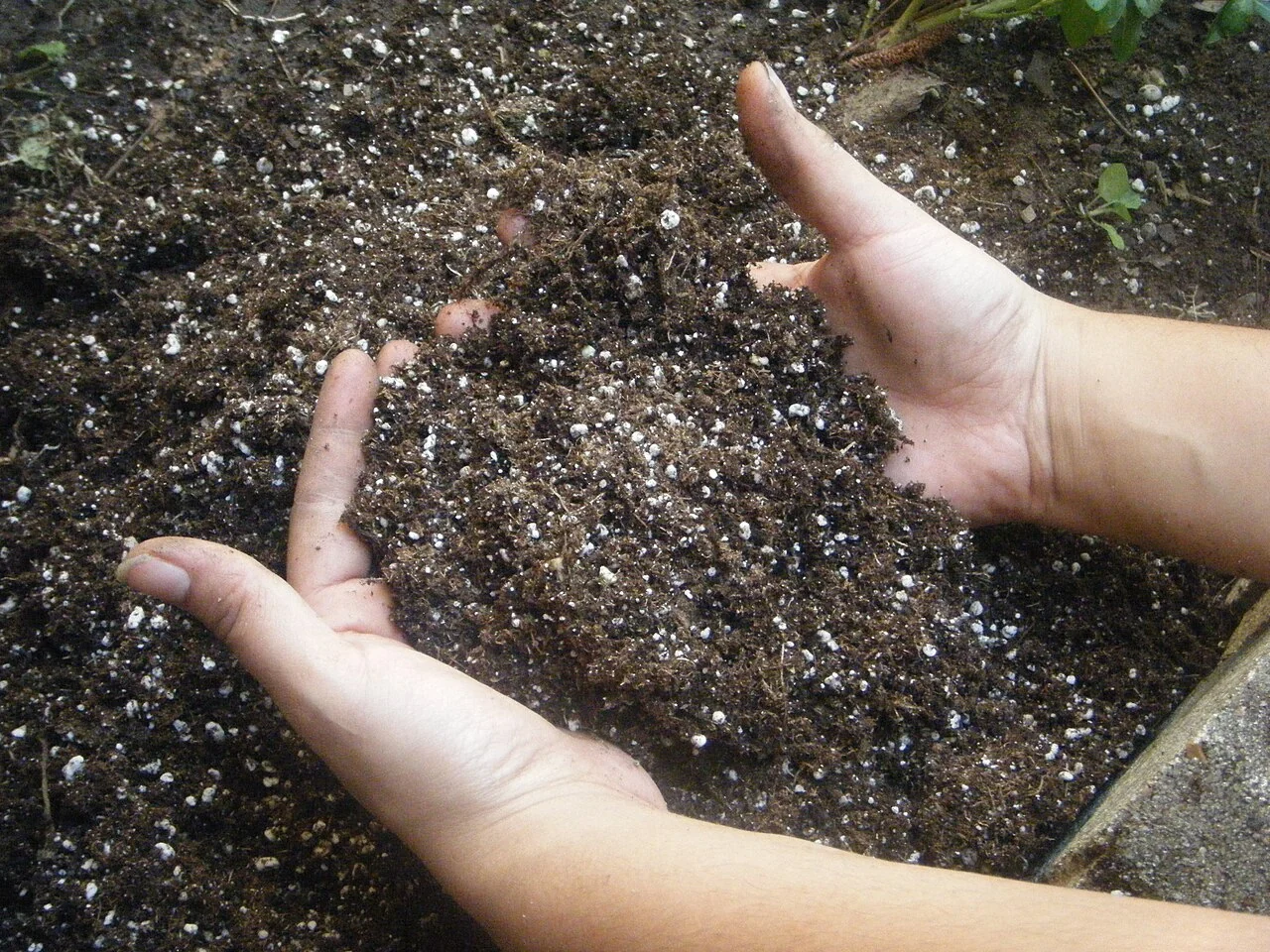
Roots need air as well as water. The spaces between particles provide room for both, so a useful potting medium drains surplus water but retains a reserve of moisture. A dense, compacted medium can leave too little air around the roots when wet.
Philodendrons generally prefer moist conditions without prolonged saturation. Let the surface of the mix dry before watering again, and avoid treating the whole root ball like a desert cactus that must remain dry for long periods.
A bag marked potting soil may contain little or no actual soil. Read its intended use and ingredient list. Garden soil and topsoil are different products and are poor choices on their own for an indoor pot.
How common ingredients work
The name of an ingredient does not tell you everything about it. Particle size and processing change how much air and water the finished mix holds. Fine bark and coarse orchid bark, for example, behave differently.
| Ingredient | Main contribution | What to check |
|---|---|---|
| Peat moss or coconut coir | Provides a base that holds moisture. Peat is naturally acidic; finished mixes may be adjusted with lime. | Use horticultural coir prepared for growing plants. Hydrate compressed bricks as directed; poor processing can leave excess salts. |
| Perlite | Adds air space and improves drainage without making the pot much heavier. | Check what the base mix already contains. Perlite adds structure rather than a complete nutrient supply. |
| Pumice | A porous volcanic material used to improve aeration and drainage. It also holds some water. | Use horticultural grade. Still check moisture and provide nutrients. |
| Bark | Coarse pieces create larger air spaces; finer processed bark generally holds more water. | Choose processed potting bark. Landscape mulch is not a direct substitute. |
| Vermiculite | Holds water and some nutrients. | It serves a different role from perlite. Adding it to a mix that already stays wet can increase moisture retention further. |
| Compost | Can supply some nutrients and contribute organic material. | Its quality and composition vary. A generous addition can change the mix substantially; supplemental feeding may still be needed. |
You do not need every ingredient in the table. Start with the properties your mix needs, and avoid buying several additions that perform the same job. More ingredients make it harder to know which change helped.
Choosing a ready made potting mix
For a straightforward option, look for a commercial mix intended for indoor container plants. It should hold moisture and provide air space around roots. The label may list peat or coir alongside bark, perlite, or vermiculite.
Before buying, check these details:
- The intended use. Choose a container or houseplant medium rather than a bag sold for filling garden beds.
- The formulation. A product described as an aroid mix can still vary in particle size and water retention. Compare the ingredients instead of relying on the name.
- Added fertilizer. Some mixes include a starter charge or slow-release feed, so extra fertilizer at planting may be unnecessary.
If your philodendron is growing well in its current medium, there is little reason to replace it just because another bag promises a chunkier blend. Change a working setup when you have a practical reason.
A philodendron soil mix recipe
One published starting option comes from the Royal Horticultural Society philodendron guide, which suggests two parts orchid potting mix to one part peat-free ericaceous potting mix. Ericaceous means formulated for acid-loving plants.
Measure parts by volume using the same scoop or cup. For a small batch, combine two cups of the orchid mix with one cup of the ericaceous mix. Check that both are container-growing products; garden compost and pure bark are not the same ingredients.
Treat this as a starting formulation. Orchid mixes vary, and an ingredient substitution changes the recipe. If the specified products are unavailable, choosing a suitable prepared houseplant medium is simpler than assuming a different blend will behave identically.
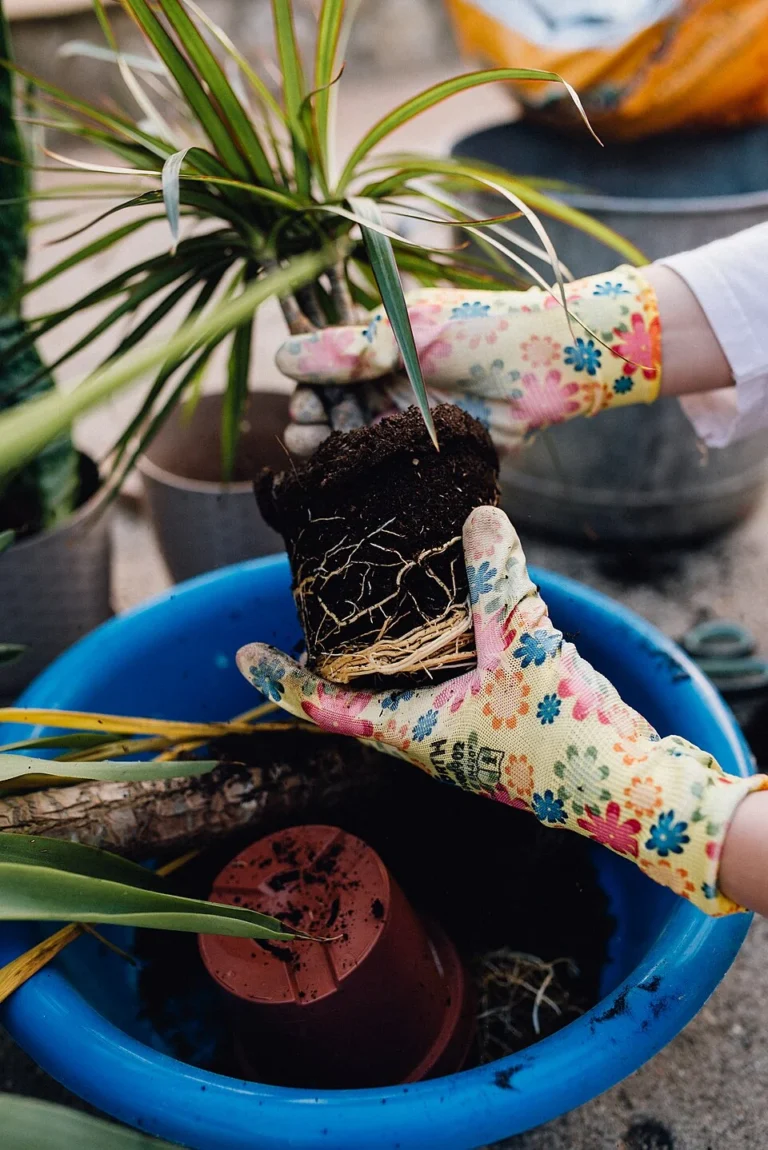
To prepare the batch, follow any hydration instructions on the ingredients, then moisten the medium evenly before planting. Mix it throughout in a clean container so one part of the pot does not receive mostly fine material and another mostly bark.
Fill around the root ball gently. Compressing the mix hard reduces the air spaces you are trying to preserve.
Wear gloves when handling philodendrons, as their sap can irritate skin.
Adjusting the mix to your home
A mix that suits a bright room may stay wet longer after the plant moves to a dimmer spot. Plants use less water when light is limited. Check the growing conditions before changing the soil or adding another ingredient.
| Observed situation | What to check first | Possible adjustment |
|---|---|---|
| Mix stays wet much longer than before | Lower light, a cool room, frequent watering, trapped drainage water, or a pot larger than the roots need. | Correct the care or container issue first. At a justified repot, consider a mix with more air space. |
| Mix dries faster than you can manage | A crowded root ball, a small pot, or an unglazed clay container that loses moisture through its sides. | Check whether more root space is needed. A more moisture-retentive mix or a less porous pot may help. |
| Water runs through but the root ball stays dry | An unevenly wetted or water-repellent medium; rapid runoff alone does not show that roots received water. | Rewet the medium evenly and check inside the root ball. Replace it if it repeatedly fails to wet properly. |
Make one deliberate change at a time and keep a simple record of the mix, pot, and moisture checks. That gives you something useful to compare at the next repot. No recipe can prescribe the same watering interval for every home.
The pot and watering matter too
Use a container with drainage holes. When roots need more room, move up one pot size rather than placing a small root ball in a much larger volume of damp medium. An airy mix cannot compensate for a pot that traps drainage water.
Keep one consistent mix through the pot. A gravel or stone layer at the bottom does not improve drainage and can leave a wetter zone closer to the roots.
After changing the medium, reassess watering instead of keeping the old calendar. Check below the surface and notice how the pot becomes lighter as it dries. When watering is needed, wet the root zone thoroughly, let surplus water drain, and empty the saucer or outer pot.
A very coarse surface can be misleading because it may look dry while finer material around the roots remains moist. Use several observations rather than judging from the top alone.
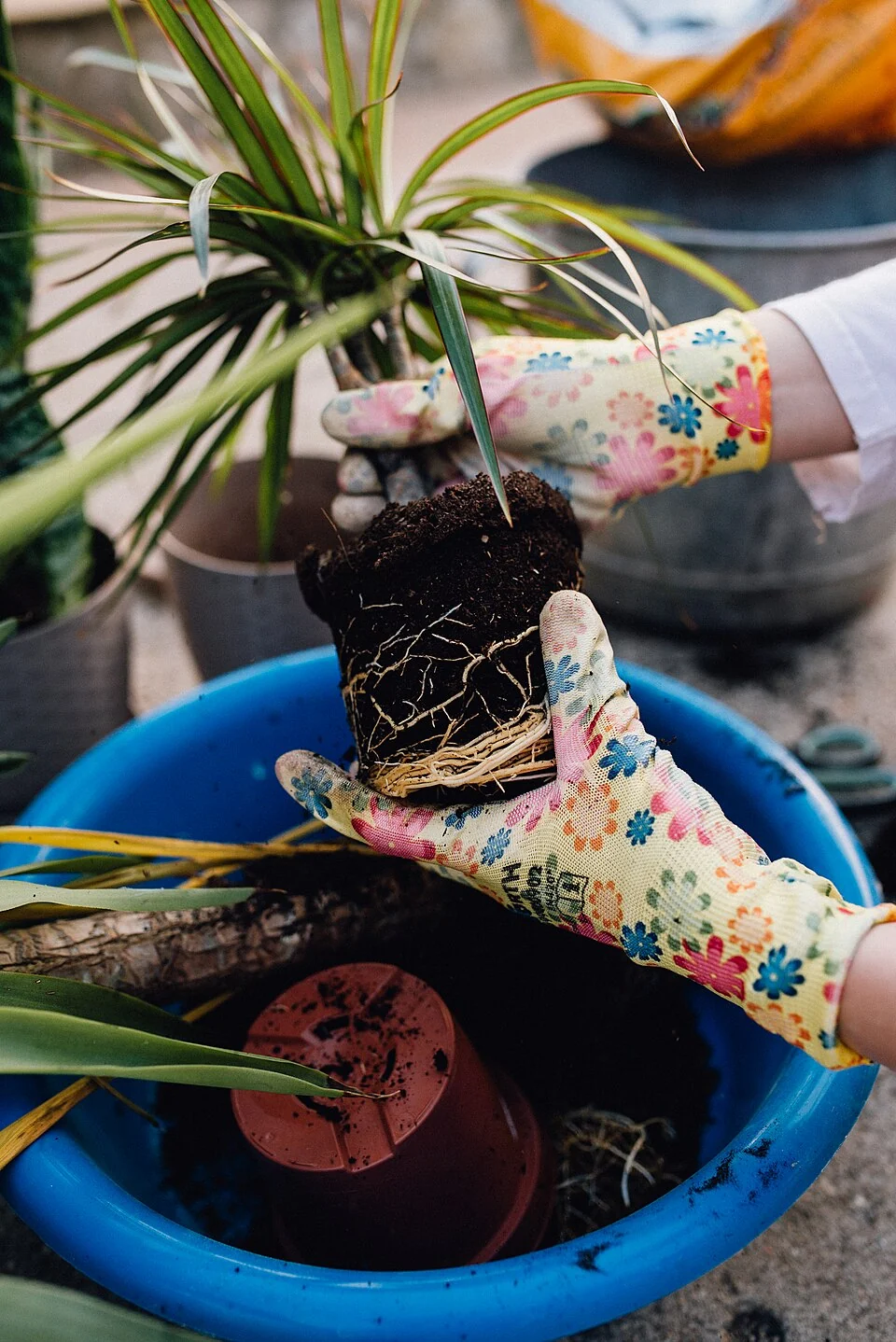
If a pot change is needed, see how to repot a philodendron for the steps and aftercare.
When the existing soil needs attention
Look more closely if an old mix has become compacted, persistently stays wet, or repeatedly dries unevenly. Check drainage and root crowding before deciding whether the plant needs a larger container, fresh medium in the same size pot, or a change in watering.
Yellow leaves or wilting alone do not prove the mix is wrong. If they accompany persistent wetness, inspect the roots. Soft, mushy roots or a collapsing stem base are more concerning than root color by itself. Fresh soil cannot restore tissue that has already rotted.
If root disease is suspected, use fresh medium and a clean container rather than reusing the affected mix. Keep the plant away from healthy plants while assessing it. Severe damage needs a separate rescue decision rather than another ingredient added to the pot.
Pair the mix with the care needs of your plant: Micans, Lemon Lime heartleaf, Tortum, or White Knight.
Common questions
Can I use cactus soil for philodendron
Possibly, but check the actual formulation. Cactus mixes are designed for plants with different moisture needs, and products vary. A very mineral-heavy blend may require more frequent watering than is practical for your philodendron. Choose by moisture retention and aeration, not the word cactus on the bag.
Can I use orchid mix on its own
A coarse orchid medium can lose moisture quickly. It may need different watering from a mixed houseplant medium. The recipe above combines orchid mix with a moisture-retentive component; using only orchid mix is a different setup.
What pH should philodendron soil have
The RHS recommends a slightly acidic medium, with pH 5 to 6. This is guidance for the finished mix, not a reason to add vinegar or other improvised acidifiers. Check the product information and seek a suitable growing-media test if you suspect a pH problem.
Does adding compost replace fertilizer
Not reliably. Compost varies in nutrient content, and a soil amendment is not automatically a complete feeding program. Check any fertilizer already included in the mix, then follow a suitable houseplant fertilizer label during active growth. Avoid adding feed to solve unexplained wilting or damaged roots.
These guides help you assess care conditions. If a problem keeps spreading, share your observations and photographs with a local Extension service. Read our editorial approach.
Spotted something we should check?
Suggest a correctionA USEFUL NEXT READ
Keep following the clues.
Soil & repotting8 min read
How to Repot a Philodendron Plant
Know when a move is needed, and how to handle the root ball.
Read the guide Image credits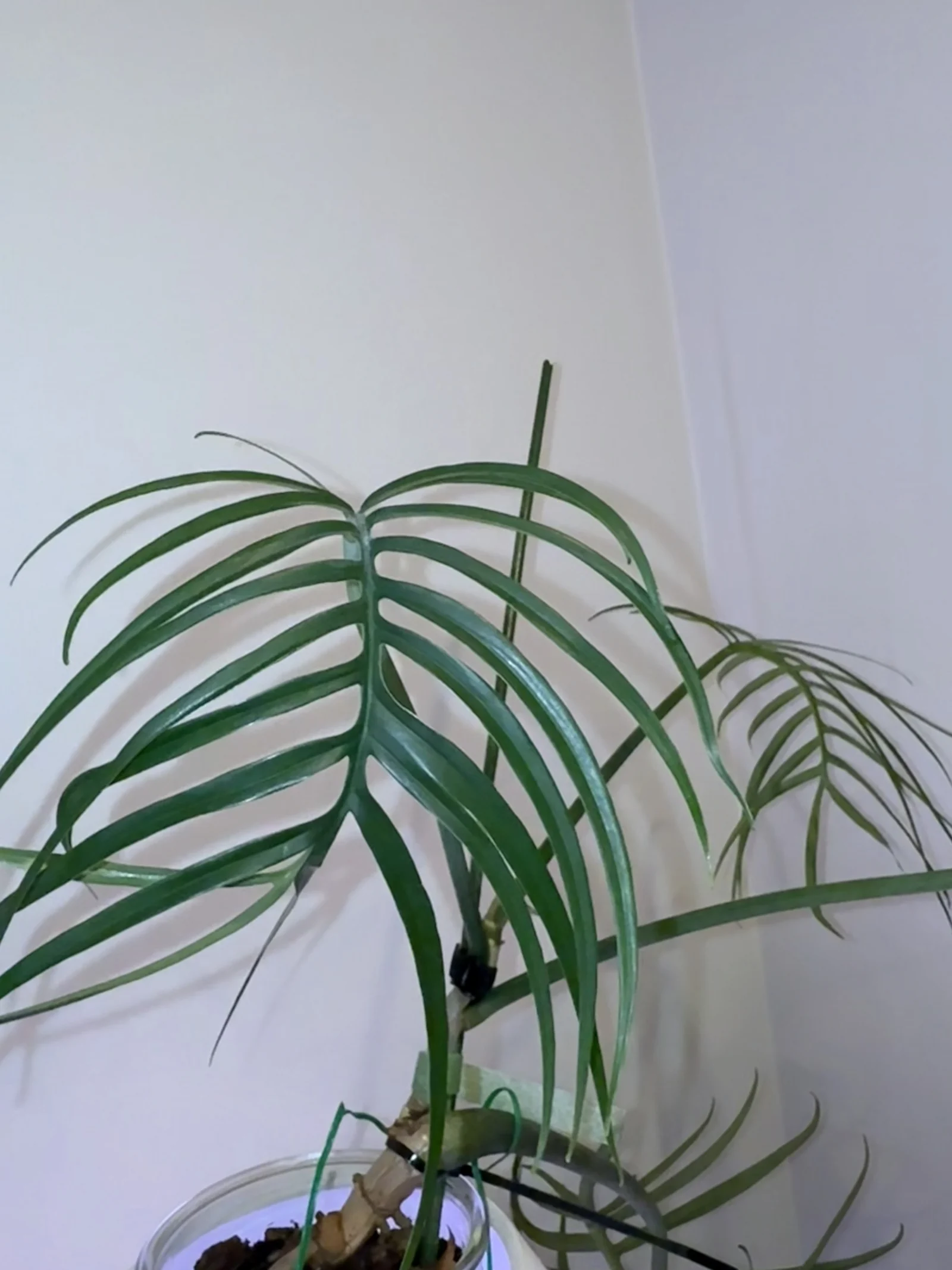
Plant care8 min read
Philodendron Tortum Care
Practical care for a climbing philodendron with finely divided foliage.
Read the guide Image credits
Plant care9 min read
Lemon Lime Heartleaf Philodendron Care
Understand normal leaf color and care for the heartleaf variety.
Read the guide