PLANT PROBLEMS
Overwatered Philodendron Brasil
Signs and recovery steps
In this guide
For an overwatered philodendron Brasil, start by emptying standing water and checking moisture around the roots. Pause watering while the mix is wet. If wilting or yellowing continues, or stems become soft, inspect the roots before deciding on the next step.
Firm roots may only need better watering and drainage conditions. Soft, rotting roots need a different response, and extensive damage may leave healthy stem cuttings as the remaining option. A yellow leaf alone cannot tell you which situation you have.
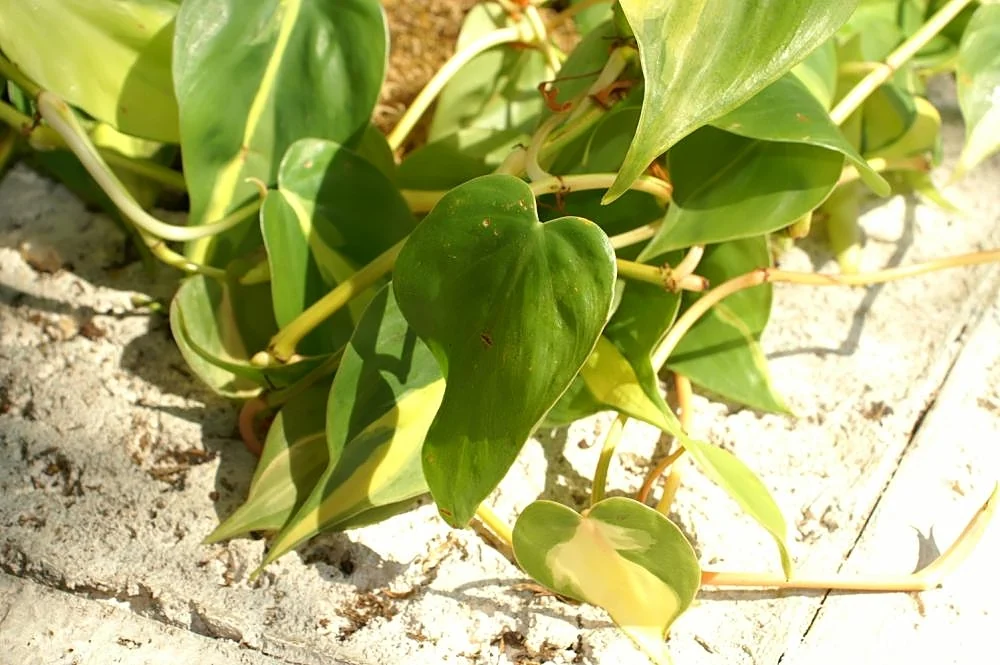
Brasil is a cultivar of heartleaf philodendron, Philodendron hederaceum. Its leaves naturally have yellow-green variegation. Compare new yellowing with the plant’s usual markings and earlier photographs; normal streaks of color are not evidence that you have overwatered it.
Check whether excess moisture fits the symptoms
Overwatering is about conditions around the roots, not just the amount poured in once. A thorough watering that drains freely can be appropriate. Trouble develops when excess moisture reduces oxygen in the mix and damages roots, which can leave foliage wilting even in a wet pot.
Before adding water, check:
- Moisture below the surface. Feel the upper mix and a little deeper, rather than judging only its color.
- The pot’s weight. Compare this pot with how it feels after watering and as it dries. A heavy ceramic container alone tells you little.
- The drainage path. Look for blocked holes and water trapped in a saucer, liner, or decorative outer pot.
- Recent conditions. Note a larger pot, a different mix, dimmer light, or repeated watering before the mix had dried enough.
Then compare the moisture evidence with what the leaves and stems are doing.
| What you find | What it suggests | Next step |
|---|---|---|
| Mix is moist after watering; foliage stays firm | Moisture alone does not establish a problem | Let excess drain and check before watering again. |
| Mix stays wet; wilt or yellowing is spreading | Excess moisture or root damage needs assessment | Check drainage and inspect roots if decline continues. |
| Pot is very light; mix is dry; foliage wilts | Dryness may be involved instead | Confirm the root ball is dry before watering. |
| One older leaf yellows; the rest looks healthy | Normal aging is a possibility | Monitor for further changes. |
| Stem base or roots are soft and mushy | Rot or severe tissue damage is a concern | Separate the plant and assess remaining healthy tissue promptly. |
Yellowing, browning, and wilting can have several causes. If the mix is not excessively wet, keep other possibilities in view instead of treating the leaf color as proof of overwatering.
Remove standing water and review drainage
Lift the inner pot out of its cover pot or saucer and pour away collected water. Let the container drain freely. If it has no drainage holes, move the plant into a suitable container rather than continuing the same watering routine.
A layer of gravel inside the bottom of a pot will not solve poor drainage and can hinder it. Use a container with drainage holes and a suitable commercial potting mix. Water that has drained from a plant suspected of root disease should not be reused on other plants.
Check whether old mix has become compacted or whether a recent repot left a small root ball surrounded by a large volume of damp mix. These are reasons to reconsider the pot and medium. They do not justify trimming healthy roots.
Our guide to philodendron potting soil explains how mix ingredients and the container affect moisture.
Inspect the roots when the plant keeps declining
Do not wait for the surface to look dry if the plant is wilting in wet mix, losing more leaves, or developing a soft stem base. Support the vines and gently ease the root ball from the container. Photograph what you find before removing tissue.
Look at texture as well as color. Roots that are firm are a better sign than roots that are soft, mushy, or losing their outer layer. Also check the stem base where it enters the mix.
The University of Maryland Extension’s root-rot guide explains why damaged roots can leave a plant wilting while its pot contains moisture. These observations help assess the damage; they do not identify a specific pathogen.
Choose a recovery path based on the roots
If the roots are mostly firm
Correct drainage and give the mix time to lose excess moisture before watering again. If the pot and medium are suitable and the plant stops declining, repotting may be unnecessary. Keep the roots intact and continue checking the plant.
If the container is oversized, lacks holes, or the mix stays compacted and poorly drained, a change of pot or medium may still be useful. Choose a container appropriate for the root ball, rather than automatically moving up a size.
If some roots are clearly rotten
You can attempt to retain healthy portions when damage is limited. Prepare fresh potting mix, a clean container with drainage holes, and clean cutting tools before handling the roots.
Wear gloves, avoid contact with sap, and keep removed leaves and stems away from children and pets. Philodendrons can irritate skin and are harmful if eaten.
- Gently remove loose old mix so you can see the affected roots. Avoid pulling hard on healthy roots.
- Cut off clearly soft, rotten portions with clean tools. Retain firm roots rather than cutting everything that looks dark.
- Use fresh commercial houseplant mix and a new or properly disinfected pot. Do not reuse suspect mix.
- Choose a pot that fits the remaining root ball. After substantial root loss, a larger pot can leave too much wet mix around those roots.
- Replant at the previous depth, keeping mix around the roots rather than piling it high around the stems. Settle it gently.
Clean the work area and disinfect tools after handling a plant with suspected root disease. Follow directions for the disinfectant you use, and keep contaminated debris away from other plants.
If most roots or the stem base are rotting
A plant with extensive root loss or a collapsing stem base may not be recoverable in its existing form. Keep it separate from healthy plants. Severely infected plants may need discarding, with cuttings taken only from healthy tissue. More watering or repeated repotting will not restore dead roots.
Take healthy stem cuttings when there is tissue to save
Choose firm stem sections with no visible rot, pests, or disease signs. Avoid including a soft or damaged section just to make a cutting longer. Cuttings from a declining plant are an attempt to preserve it, not a guaranteed rescue.
For rooting in a medium:
- Take a stem section with at least two nodes, the points where leaves join the stem. Remove the lower leaves.
- Place at least one node in clean rooting medium, keeping leaves above it. Use a clean container with drainage.
- Keep the cutting in a warm place with bright, indirect light. Maintain moisture without leaving the medium soggy, and check it frequently.
Trailing philodendrons can also root in water. If using that method, start with a clean container and change the water regularly. Keep these cuttings separate while watching for deterioration.
Give the recovering plant steady conditions
Keep Brasil in suitable indirect light and away from hot or cold air blasts. Avoid moving a stressed plant into harsh sun to force the pot to dry. Too much light can scorch leaves, and a dimmer position can reduce water use.
Do not use extra fertilizer as a response to wilting or yellowing. First correct the moisture and root problem. When the plant is established and actively growing, review whether feeding is needed and follow the product label. Excess fertilizer can damage roots.
Remove completely yellow, brown, or shriveled leaves with clean pruners. Retain predominantly green leaves unless disease or another clear reason calls for removal. Useful foliage supports recovery, and removing a damaged leaf does not correct the underlying conditions.
When a pot change is justified, the guide to how to repot a philodendron explains planting depth and aftercare. Assess root damage before following routine repotting steps.
Resume watering by checking the mix
A recovering Brasil still needs moisture. The goal is evenly moist, aerated mix rather than a waterlogged pot or a root ball left bone dry. Philodendron care guidance recommends watering when the top of the mix is dry and avoiding soggy conditions.
After repotting, moisten dry mix to settle it around the roots and allow excess water to drain. If the medium is already evenly moist, check it before adding more. Base later watering on the current mix, not the old routine.
Feel the upper mix and check moisture below the surface. Lift the pot to judge how much water remains. When watering is needed, wet the mix thoroughly so excess drains from the holes, then empty the saucer or cover pot.
There is no universal weekly schedule for philodendron Brasil watering. Light, temperature, pot size, and the medium affect how quickly it dries. Check especially carefully after a move or repot, and when winter light and growth decline.
If the pot keeps staying wet despite longer intervals, reassess the mix and container instead of extending the wait indefinitely while the plant declines.
Watch for improvement and reassess continued decline
Record the date, root condition, and changes you made. Take a whole-plant photograph and repeat it from the same angle when you check again. Compare the number of affected leaves, stem firmness, and whether damage is progressing.
A useful improvement is that fewer leaves become affected and subsequent growth develops normally. Dead or severely damaged leaves may remain discolored or fall. Judge the plant by its ongoing condition rather than expecting every yellow leaf to turn green.
Recovery time depends on how much healthy tissue remains and the growing conditions. A plant that needed only a drainage correction has a different starting point from one that lost most of its roots. New growth may be slow during low-light periods.
If wilt or yellowing keeps spreading, revisit the root assessment and other possible causes. Softening stems or collapsing roots need prompt attention. Share photographs, watering history, and root observations with a local Extension service when the damage is extensive or the cause remains unclear.
These guides help you assess care conditions. If a problem keeps spreading, share your observations and photographs with a local Extension service. Read our editorial approach.
Spotted something we should check?
Suggest a correctionA USEFUL NEXT READ
Keep following the clues.
Soil & repotting7 min read
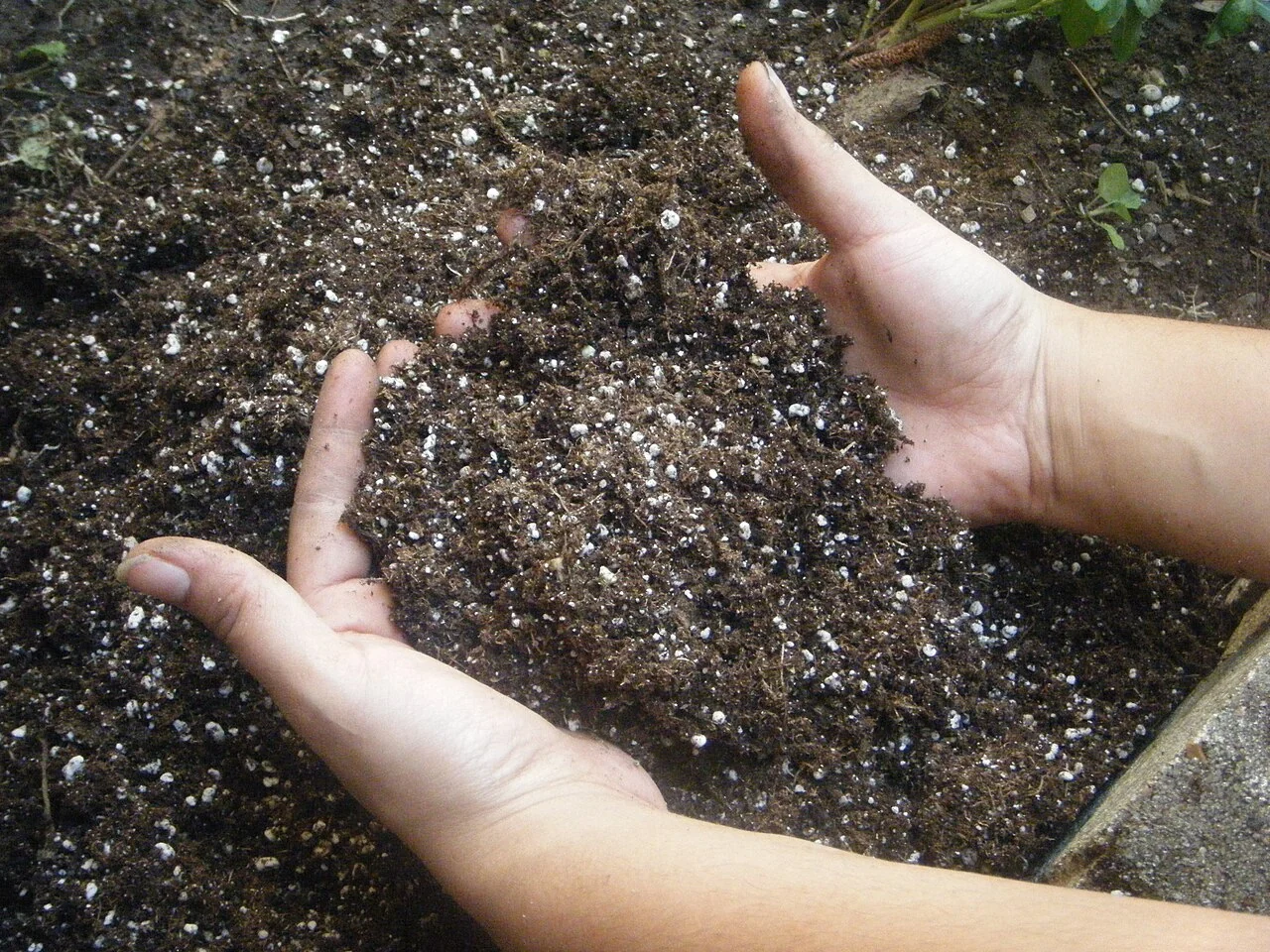
Philodendron Potting Soil
Choose a mix that balances moisture, air, and your growing conditions.
Read the guide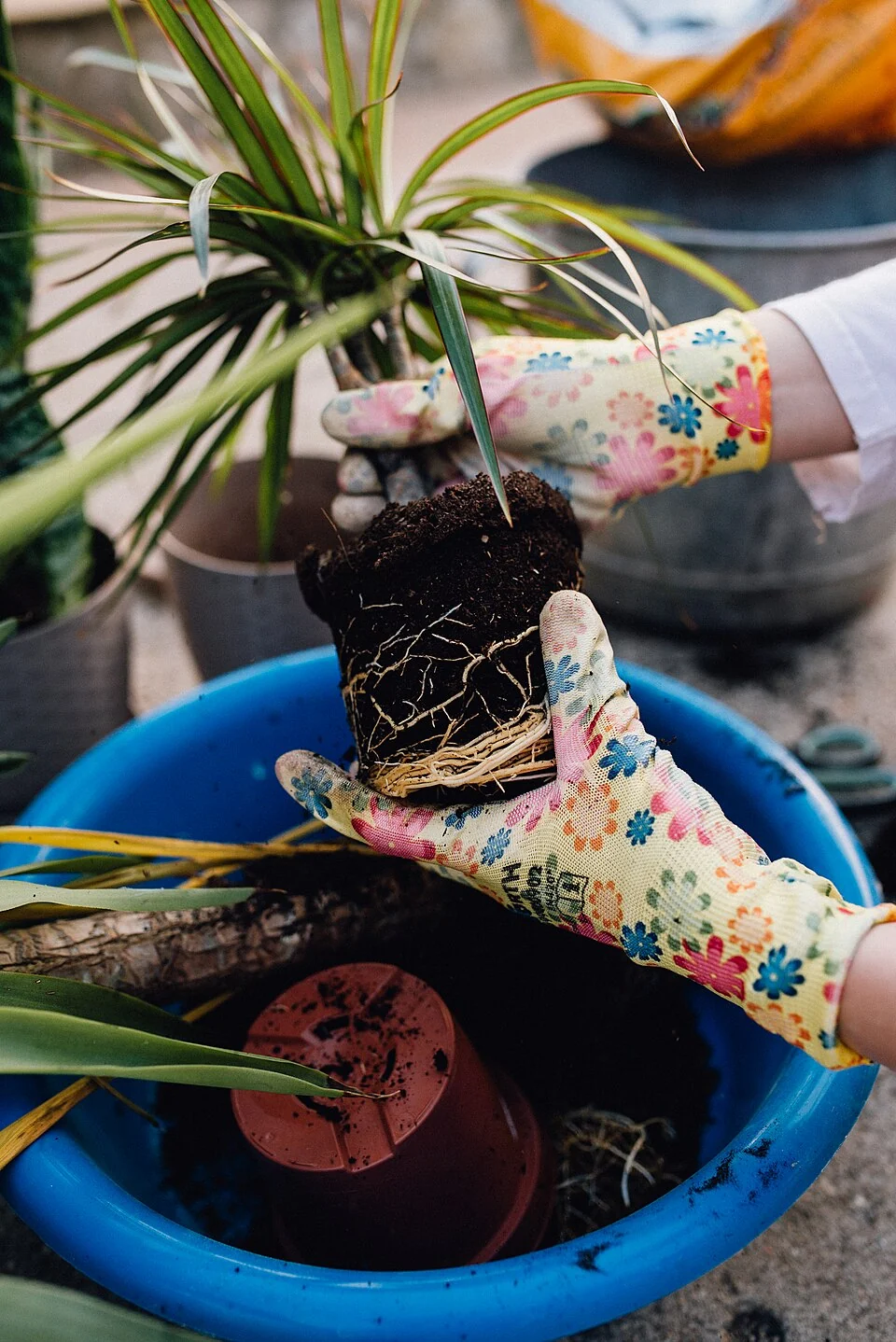
Soil & repotting8 min read
How to Repot a Philodendron Plant
Know when a move is needed, and how to handle the root ball.
Read the guide Image credits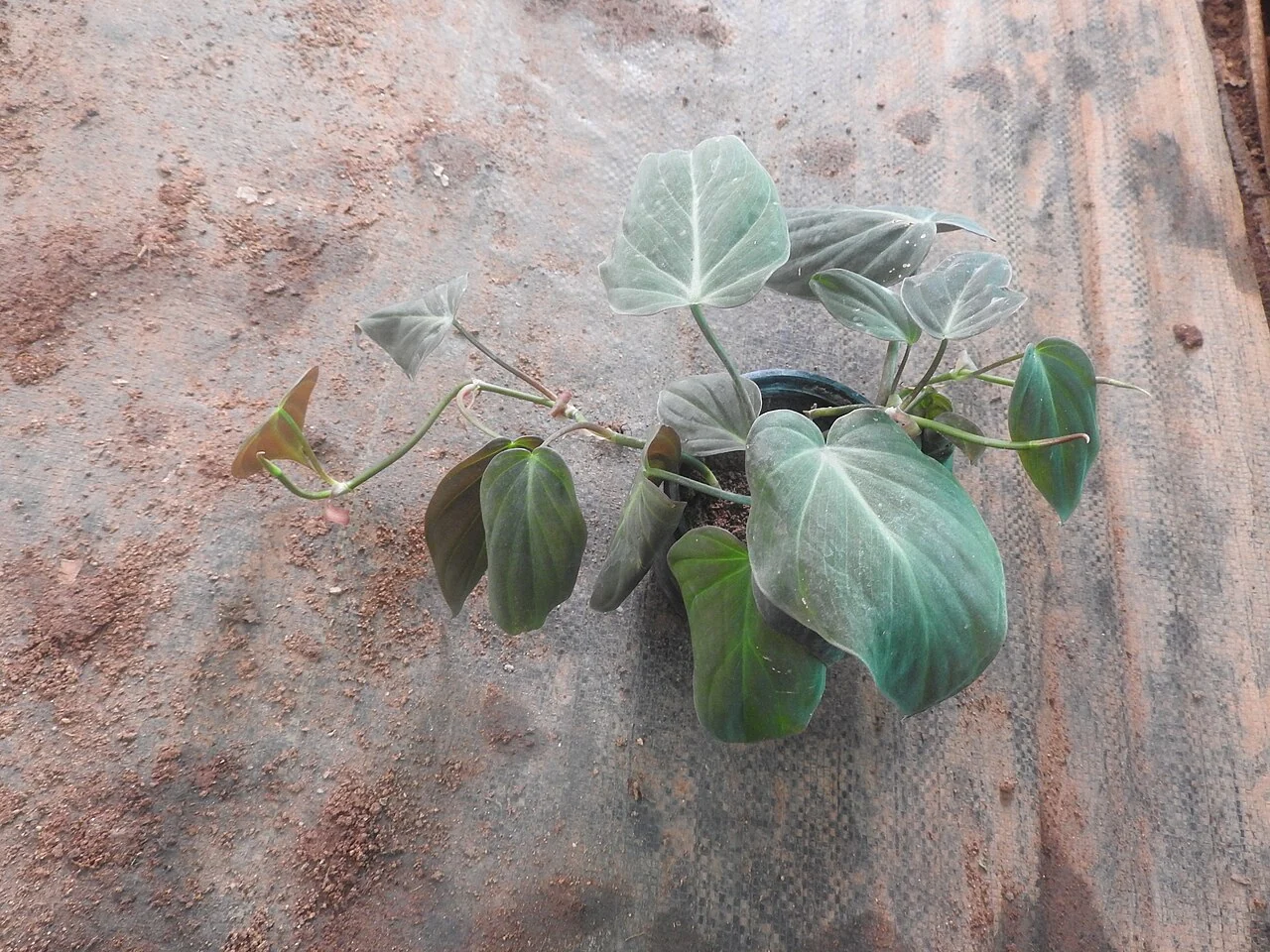
Plant problems8 min read
Philodendron Micans Yellow Leaves
Follow the moisture and leaf-pattern checks before changing care.
Read the guide Image credits