PLANT CARE
Lemon Lime Heartleaf Philodendron Care
Light watering soil and normal leaf color
In this guide
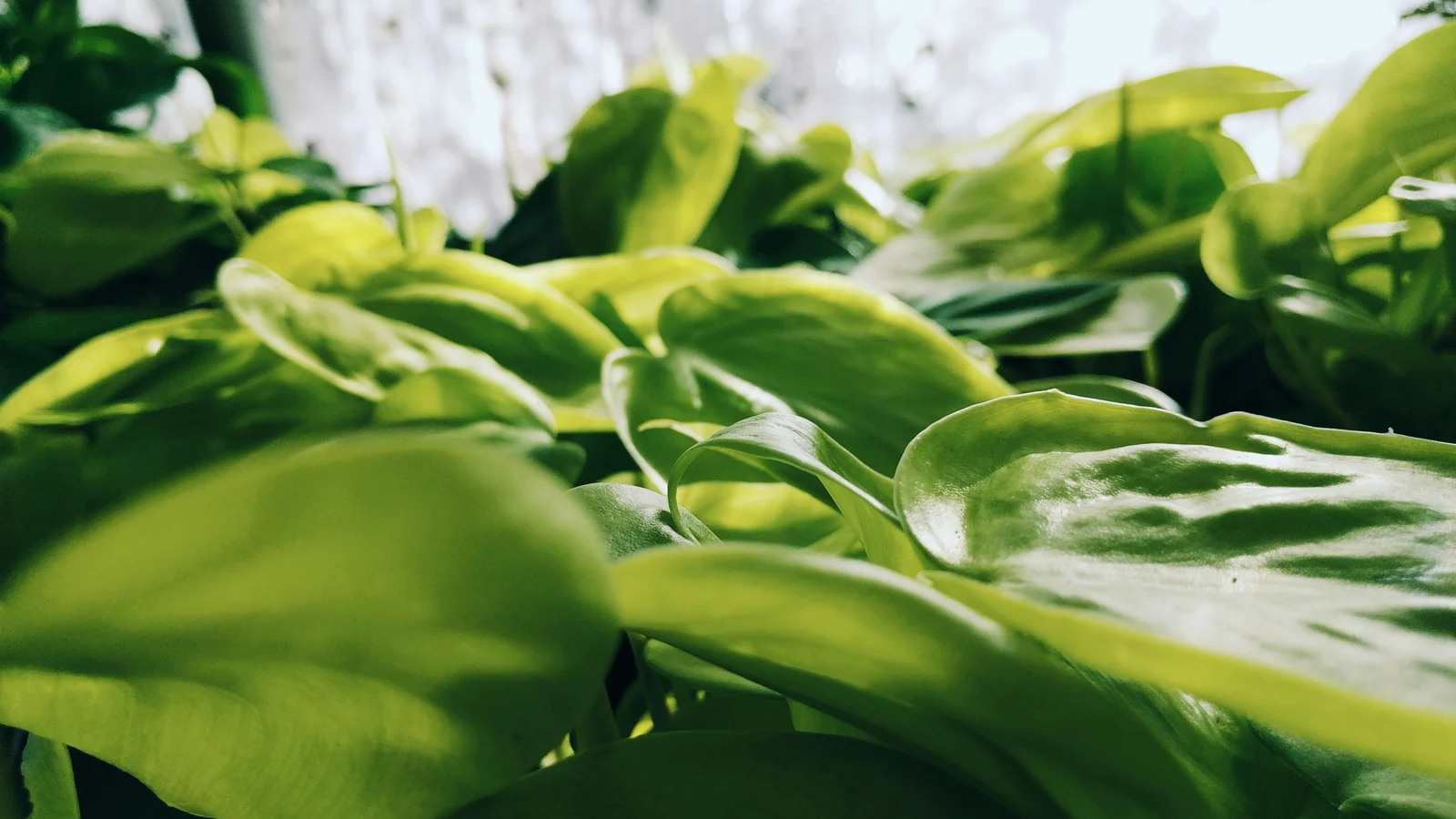
Lemon Lime philodendron care starts with indirect light, a pot that drains, and watering when the top of the mix has dried. Give the roots moisture without leaving the pot soggy. This bright-leaved heartleaf variety can trail from a basket or grow up a support.
Its yellow-green leaves are part of its appeal. Before treating a yellow leaf as a watering problem, confirm the plant’s identity and look for a change from its usual color, texture, or growth.
Confirm which Lemon Lime plant you have
This guide covers Philodendron hederaceum ‘Lemon Lime’. North Carolina Extension includes ‘Lemon Lime’ among its heartleaf philodendron cultivars. Look for heart-shaped leaves on slender trailing or climbing stems, then check the grower’s label.
Golden Goddess is a different named philodendron that also climbs, so climbing habit alone cannot separate them. Moonlight is an upright-growing philodendron. A yellow-green plant sold only as ‘Lemon Lime’ needs its botanical name checked before you assume it is the heartleaf variety.
Neon pothos is Epipremnum aureum ‘Neon’, a different plant. Its leaf stalks are grooved, while heartleaf philodendron leaf stalks are not. A leaf stalk, or petiole, connects the leaf blade to the stem. Use these details alongside the label; leaf color alone is a poor identification test.
Lemon Lime care at a glance
| Care area | Starting point | What to check |
|---|---|---|
| Light | Bright indirect light | Protect from intense direct sun. |
| Water | Let the top layer dry slightly | Check below the surface and lift the pot. |
| Soil | Airy moisture-retentive potting mix | Water drains without leaving a saturated mass. |
| Pot | Drainage holes and a sensible size | Roots need room without excess unused wet mix. |
| Temperature | About 65 to 80 F | Avoid cold glass and hot or cold air blasts. |
| Humidity | Ordinary home conditions can work | Consider a humidifier if the room is very dry. |
| Feeding | Houseplant fertilizer during active growth | Follow the product’s dilution and frequency. |
These are starting conditions, not a weekly timetable. The plant’s pot, light, and growth determine how quickly its mix dries.
Light and normal leaf color
Choose a bright position where the leaves receive indirect light. Near an east-facing window can be a useful starting point; at a stronger west or south window, filter harsh sun or move the plant out of the direct beam. Check the light where the leaves actually sit, especially when curtains, trees, or a porch shade the window.
Avoid moving a shaded nursery plant straight into full sun. Gabriella Plants specifically warns that its Lemon Lime plants are grown under shaded greenhouse conditions. If leaves begin bleaching or scorching after a brighter move, reduce the exposure and adjust gradually.
Heartleaf philodendrons tolerate lower light, but brightly colored types benefit from better indirect light. Increasing gaps between leaves and sparse new growth are reasons to reassess the location. If daylight is insufficient, a suitable grow light can supplement it; follow the fixture’s guidance for placement.
Healthy Lemon Lime foliage is chartreuse to lime green. New leaves can look more yellow, sometimes with a pinkish tint, before their color changes as they mature. Compare leaves of a similar age. A firm, newly opened yellow-green leaf has a different context from an older leaf that suddenly fades and wilts.
Judge a change in color alongside growth and leaf condition. Color alone does not establish a nutrient deficiency or a permanent change in the cultivar. Avoid adding fertilizer simply to make every leaf match a photograph.
Water by checking the pot
Let the surface layer dry slightly between waterings while avoiding prolonged dryness through the entire root ball. Heartleaf philodendron prefers a mix that holds moisture and still drains freely. The goal is a partly drying pot, rather than continuously wet soil.
Use this check before adding water:
1. Feel below the surface. Check roughly the top inch or two, adjusting for the size of the pot. A dry crust can sit above wetter mix.
2. Lift the pot. Compare its weight with how it feels after watering. A heavier pot with damp mix usually needs more time.
3. When watering is needed, wet the mix evenly until water drains from the holes. Let the pot drain, then empty the saucer or decorative outer pot.
A drooping plant needs a moisture check before another drink. Both dry roots and roots struggling in wet mix can leave a plant wilted. If the pot is already wet, adding more water can worsen the problem.
Recheck the routine when daylight or indoor temperatures change. In lower light, plants generally grow more slowly and use less water. A reminder can prompt you to inspect the pot without obliging you to water it.
Soil pot choice and repotting
Use a clean potting mix intended for houseplants that holds some moisture and has air spaces around the roots. Bark, perlite, or pumice can contribute to an open structure, depending on the rest of the mix. A dense, compacted mass gives water and air fewer routes through the pot.
The word ‘aroid’ on a bag is less useful than how its contents behave. Read the ingredients and watch the mix after watering. Avoid garden soil on its own; it can be too dense for a container. If a mix dries extremely fast or stays wet despite appropriate watering, assess the pot size and roots as well.
For mix options and ingredient choices, see our guide to philodendron potting soil.
Choose a pot with drainage holes. Keep a nursery pot inside a decorative cover if you like, but remove trapped runoff after watering. Upsize only when the roots need the extra space; one pot size larger is usually enough. A large volume of unused mix can stay wet longer than the root ball.
Repot when roots are crowded, watering becomes difficult to manage because the pot dries too quickly, or the mix needs replacing. A healthy plant does not need a larger pot simply because you brought it home. If you are refreshing poor mix and the roots still fit, keep an appropriately sized clean container.
Our guide to how to repot a philodendron covers the process and aftercare. Check the newly potted plant by moisture rather than carrying over its old watering interval.
Humidity temperature and feeding
Typical home temperatures of about 65 to 80 F are a reasonable philodendron baseline. Keep the leaves away from cold window glass and direct blasts from heaters or air-conditioning vents.
Ordinary home humidity can be adequate. If heating makes the room very dry, a humidifier is more useful for lasting humidity than repeatedly misting the leaves. Misting changes humidity only briefly. Brown tips still need a broader check because watering problems and fertilizer salts can produce similar damage.
Feed a growing plant with a houseplant fertilizer according to its label. Check whether fresh potting mix already contains fertilizer before adding more. Reduce or pause feeding when growth slows, particularly during dim winter conditions. Extra fertilizer cannot compensate for inadequate light, and an overly strong mixture can damage roots.
Trailing climbing and pruning
Lemon Lime heartleaf can grow as a trailing plant or be guided onto a support. A moss pole or trellis is optional for a hanging display. Aerial roots along the vine are normal and can help it attach as it climbs; their presence does not mean the pot urgently needs replacing.
If stems become longer than you want, trim a healthy vine just above a node left on the plant. That is the point where a leaf joins the stem. Pruning can encourage fresh leafy growth, but a sparse plant also needs its light checked. Keep suitable healthy stem sections for propagation.
Propagating Lemon Lime philodendron
Start with a healthy vine and clean scissors or pruners. Choose a short stem section with leaves and identifiable nodes. For a simple cutting, leave a lower node available for rooting and a leaf-bearing section above it. Include actual stem tissue; a leaf blade alone is not a dependable way to grow a new vine.
Cut below the lower node and remove any leaf that would sit in water. Place the lower stem and node in clean water, keeping the remaining leaves above the waterline. Alternatively, insert the lower part into a small container of moist, airy rooting mix.
Keep the cutting in bright indirect light and change rooting water regularly. Once it has a developed root system, transfer it into a small pot of suitable mix and watch moisture as it establishes. Rooting speed varies with conditions, so judge the roots rather than a promised number of days.
Common problems and the first checks
Start with the pattern of damage, recent changes, and pot moisture. This table gives checks to narrow the cause; a leaf symptom does not confirm one diagnosis.
| What you notice | What to check | First response |
|---|---|---|
| Sudden fading or drooping | Dry mix versus a wet heavy pot; pests | Check moisture before watering or feeding. |
| Bleached or scorched patches | Recent direct sun or a brighter move | Reduce harsh exposure and acclimate gradually. |
| Brown tips or edges | Dry air, watering history, fertilizer buildup | Check the conditions together before changing care. |
| Fine speckling or cottony deposits | Leaf undersides and stem joints | Look closely for pests and isolate an infested plant. |
| Wilting in wet mix | Roots and lower stem for softened tissue | Inspect promptly if symptoms persist or worsen. |
When wet mix accompanies ongoing decline, gently check the roots. Soft, mushy tissue supports concern about rot; leaf color alone does not. Keep an affected plant away from healthy plants and use clean pots and fresh mix if rescue is appropriate. Only healthy tissue should be used for backup cuttings.
For pests, inspect the backs of leaves and places where leaves meet stems. White cottony clusters may be mealybugs. Identify the pest before choosing a treatment, and use a product labeled for that pest on indoor plants according to its directions.
Common questions
Is Lemon Lime philodendron the same as Golden Goddess
This guide’s Lemon Lime is the heartleaf cultivar Philodendron hederaceum ‘Lemon Lime’. Costa Farms lists Golden Goddess separately as a selection from Thai Sunrise. Common names on retail labels can be inconsistent, so confirm the named plant instead of relying on yellow-green foliage.
Does Lemon Lime philodendron need a moss pole
A pole is optional. You can enjoy the plant trailing from a pot or train its vines onto a support. Choose the display you want and give the leaves suitable light.
Why are some Lemon Lime leaves more yellow than others
Leaf age can explain part of the difference: newly emerging leaves may look yellower before becoming lime green. Look for firmness and normal development. Sudden fading, wilting, or damaged patches need a care check rather than an assumption that all yellow is normal.
Keep this philodendron out of reach of children and pets that may chew it. Wear gloves when pruning because the sap can irritate skin.
These guides help you assess care conditions. If a problem keeps spreading, share your observations and photographs with a local Extension service. Read our editorial approach.
Spotted something we should check?
Suggest a correctionA USEFUL NEXT READ
Keep following the clues.
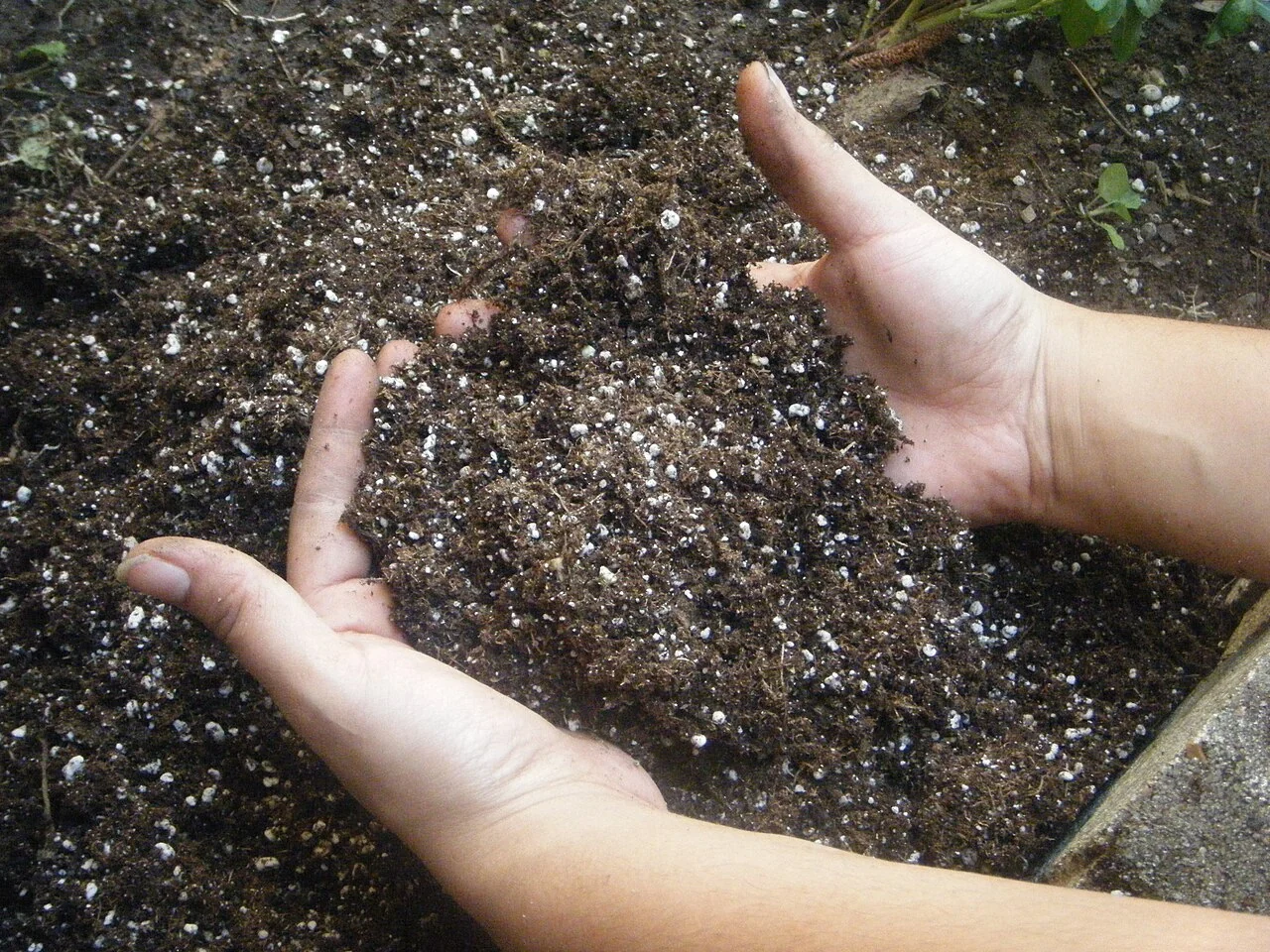
Soil & repotting7 min read
Philodendron Potting Soil
Choose a mix that balances moisture, air, and your growing conditions.
Read the guide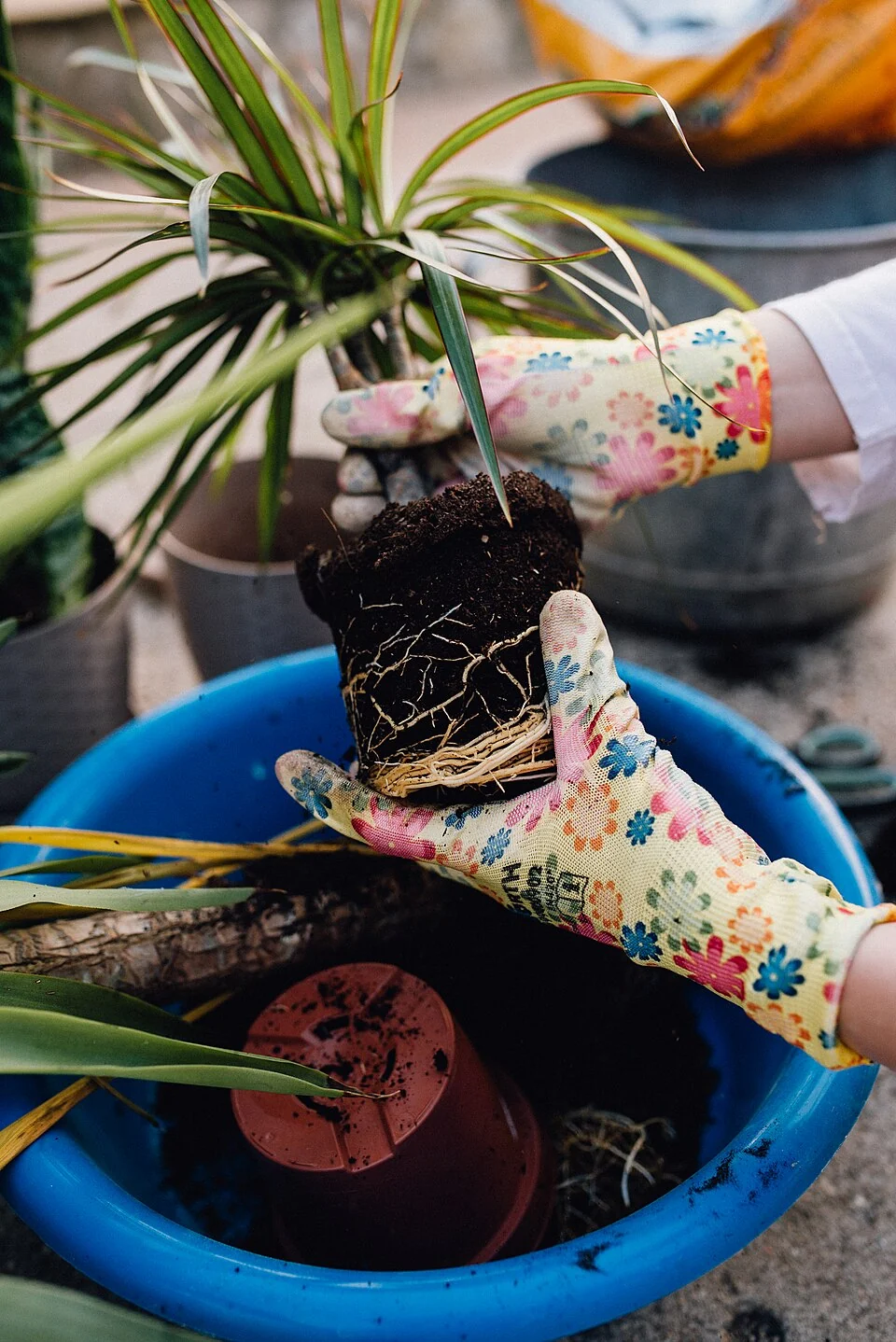
Soil & repotting8 min read
How to Repot a Philodendron Plant
Know when a move is needed, and how to handle the root ball.
Read the guide Image credits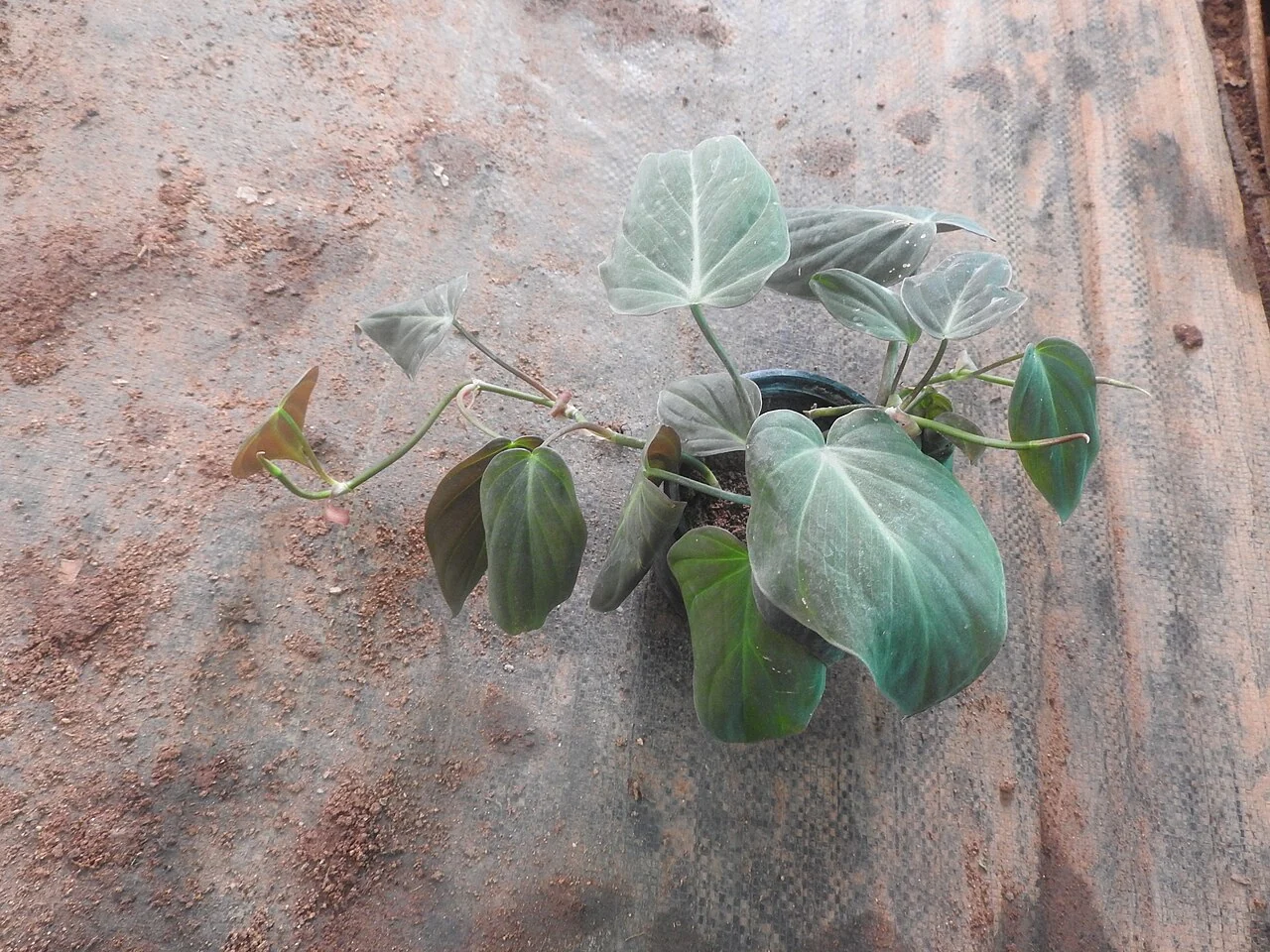
Plant care8 min read
Philodendron Micans Care
Light, water, and a better everyday routine for velvet leaves.
Read the guide Image credits